
The King’s Theatre has reopened after a two-year-long major redevelopment and renovation. I went along to have a look at the opening launch weekend.

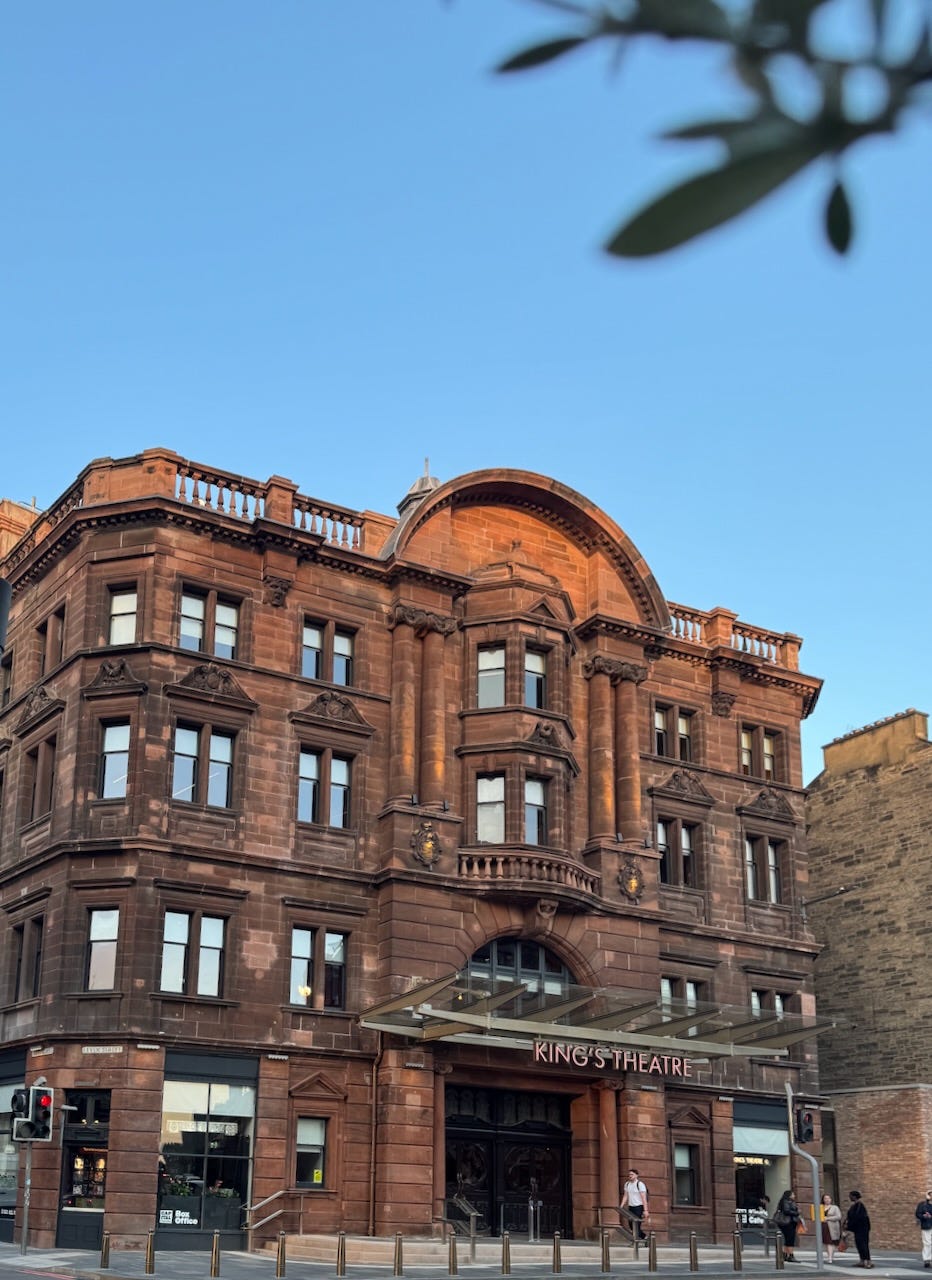
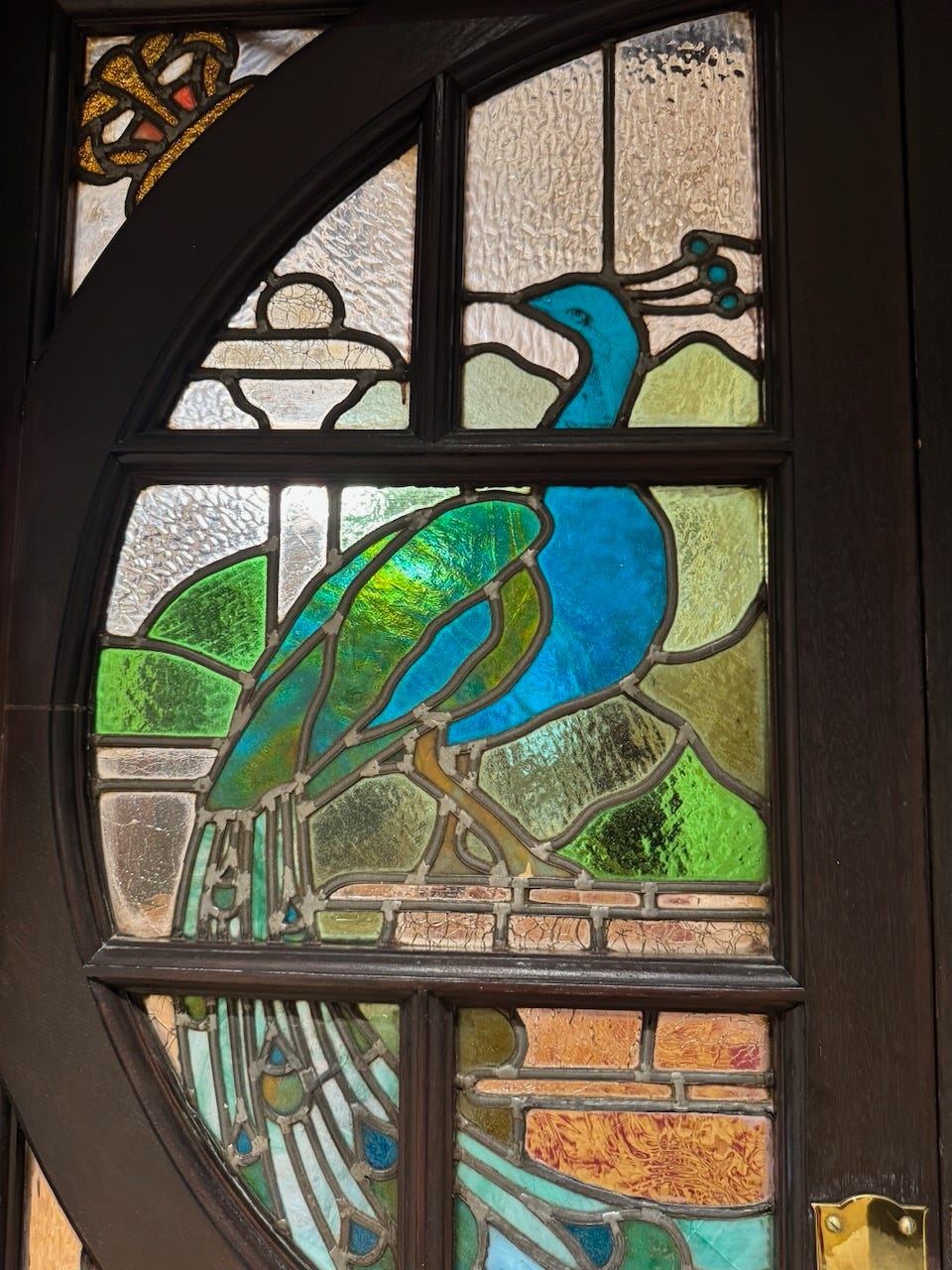
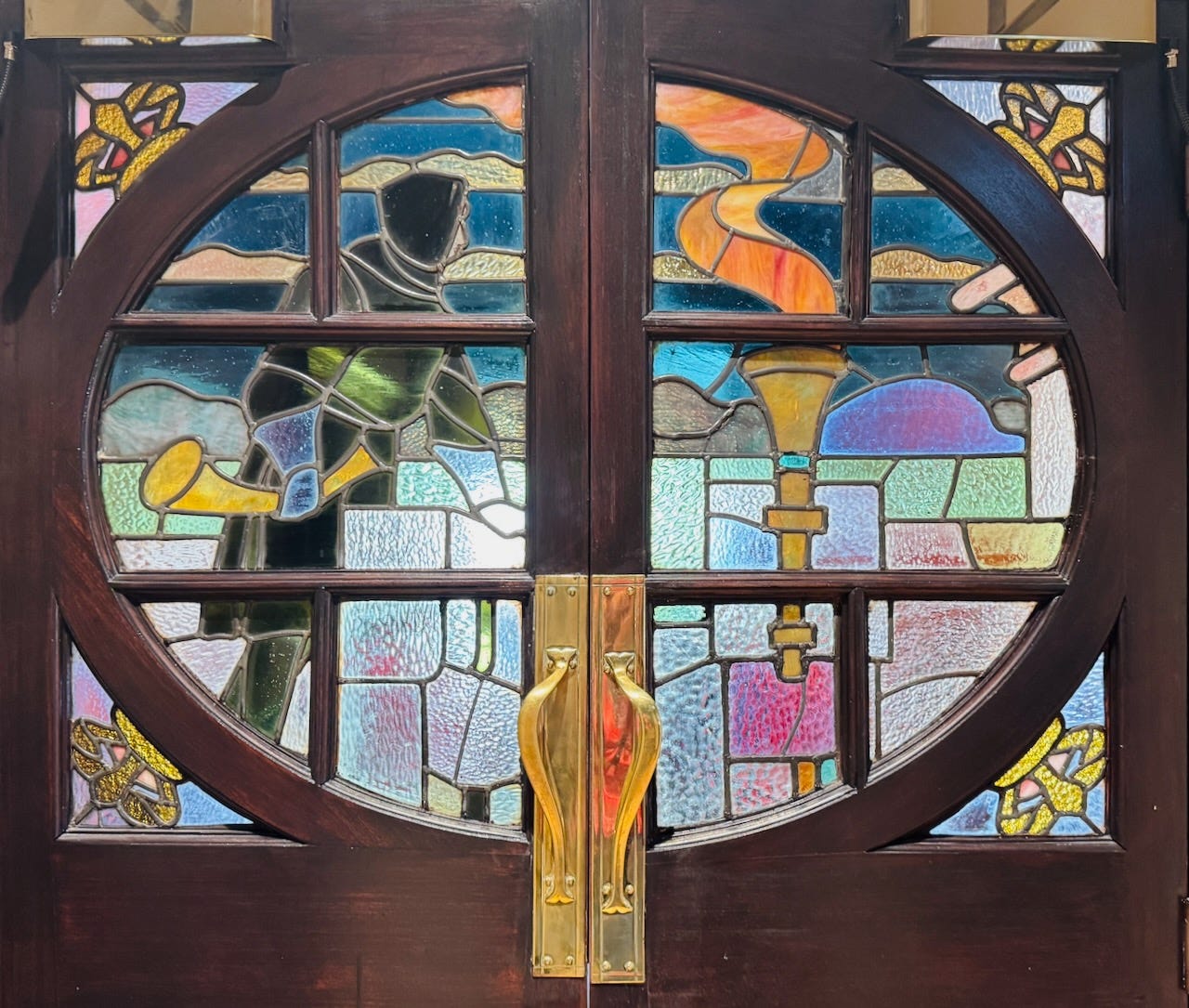
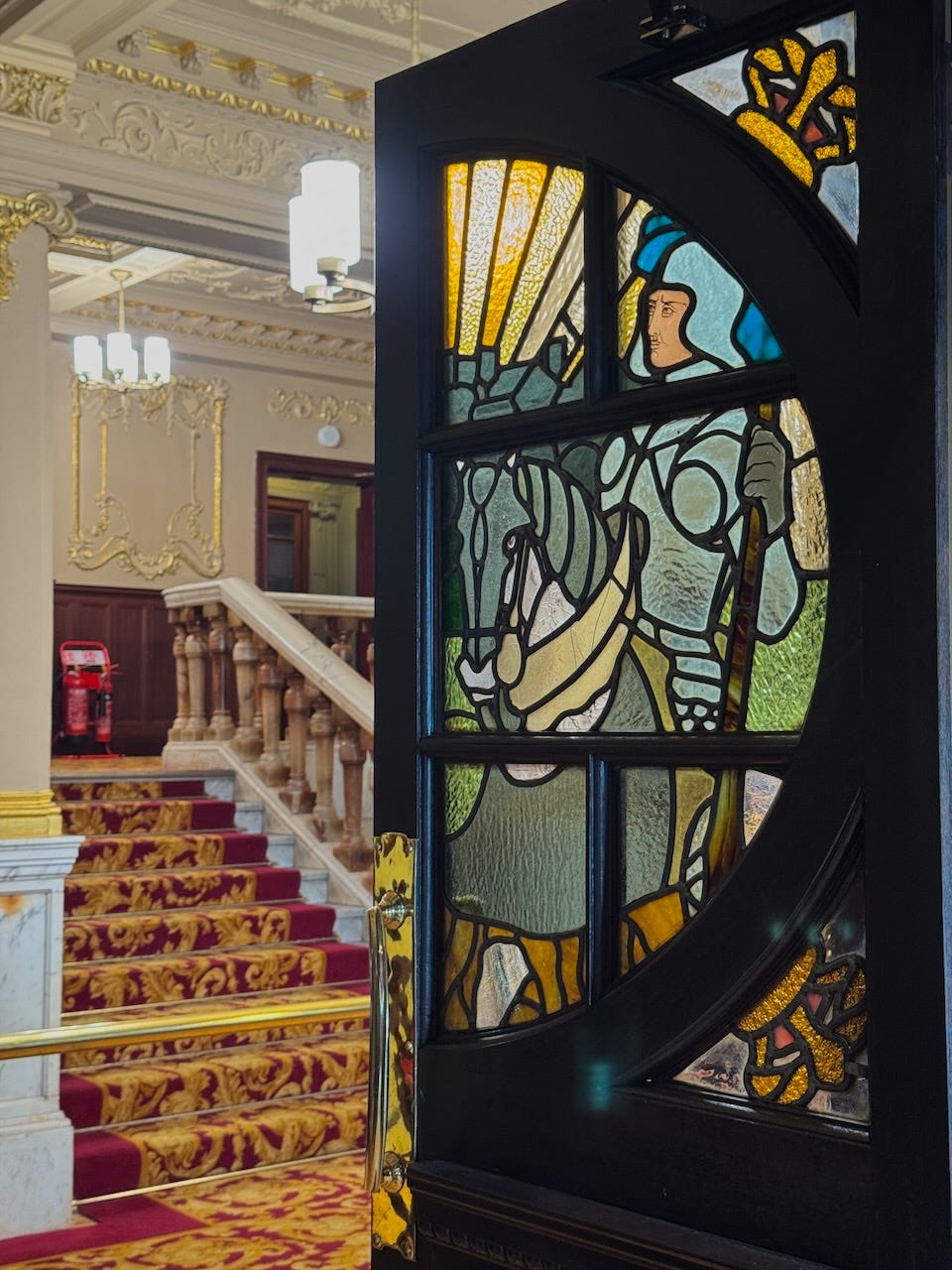
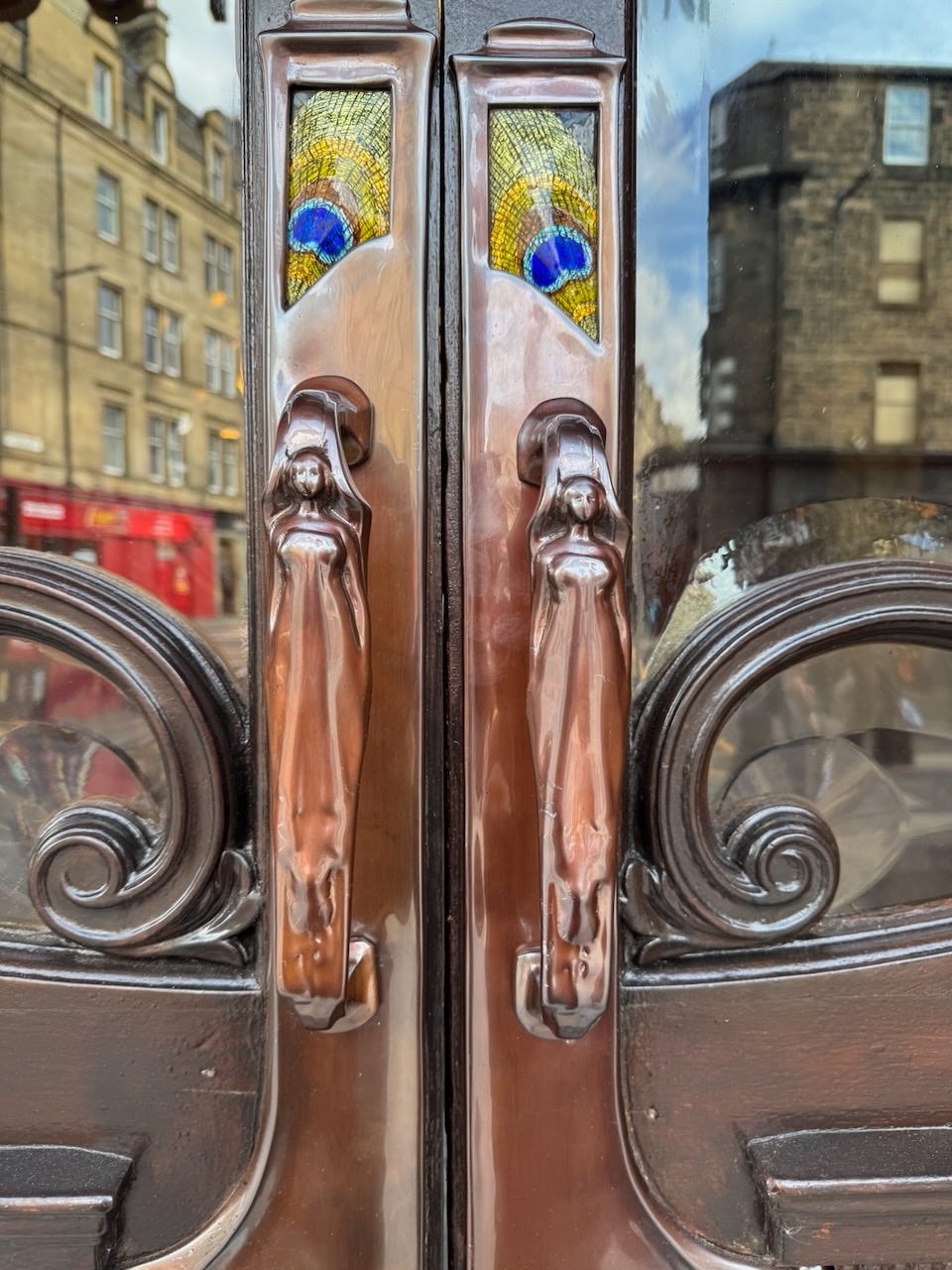
Fortunately, they have kept all our favourite Art Nouveau features inside and out. The new upgrades, mainly for accessibility, include a sympathetic colour scheme echoing the peacock blue, red and gold of the interior dome mural as well as some of the iconic stained glass door panels and decorative plasterwork.
A complicated history
Commissioned in 1905 on the site of an old brewery, the King’s Theatre opened its doors in December 1906, with a Cinderella pantomime. A memorial foundation stone was laid by Andrew Carnegie. It had a typical Edwardian-style interior with Art Nouveau features and Viennese Baroque styling.
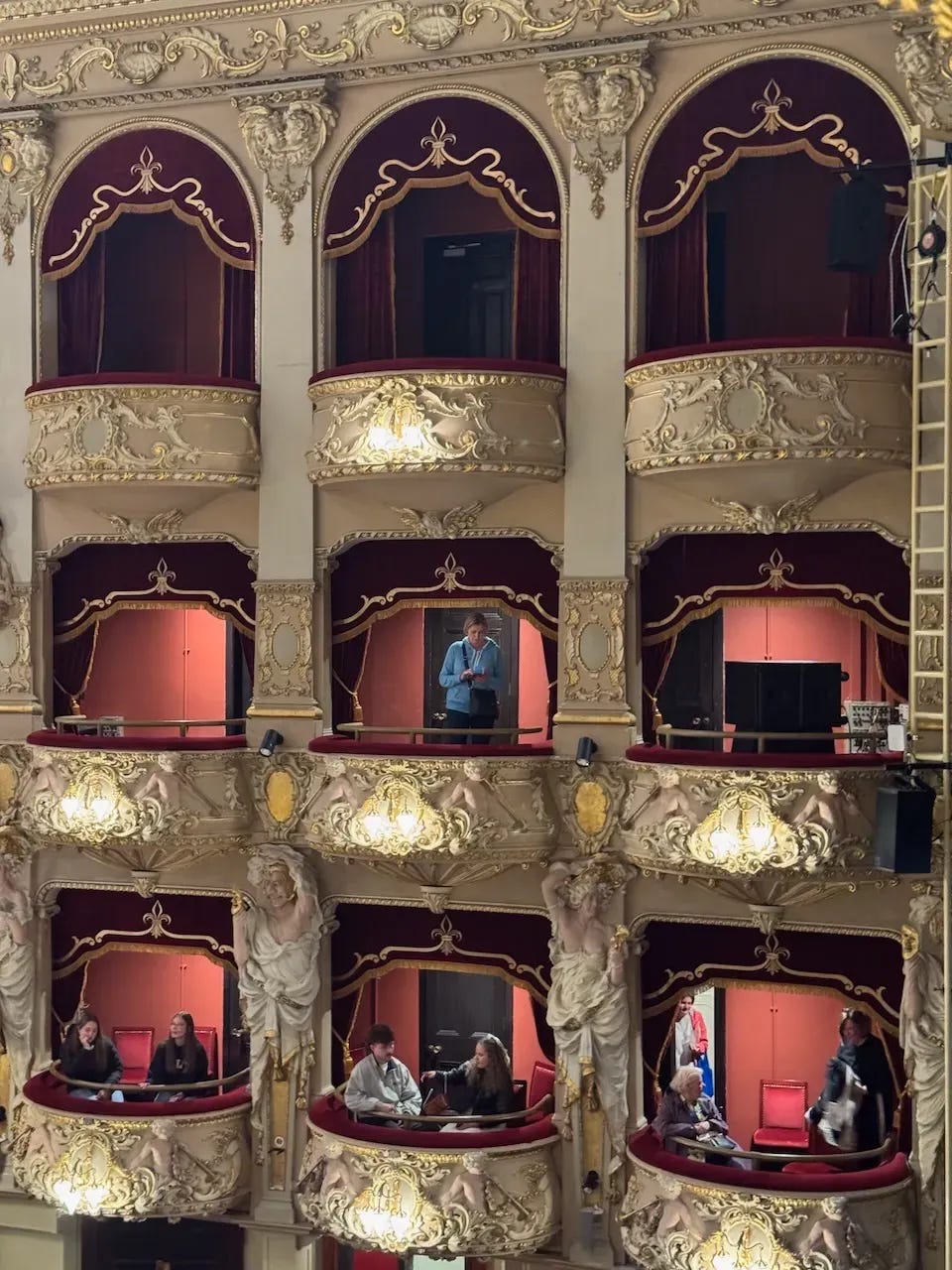
Sculpted figures represented the four muses of theatre: music, art, tragedy and comedy. Designed by architects Swanston & Davidson, it was built as a grand theatre to rival London’s, moving away from variety shows to invite opera, drama and quality pantomime to Edinburgh.
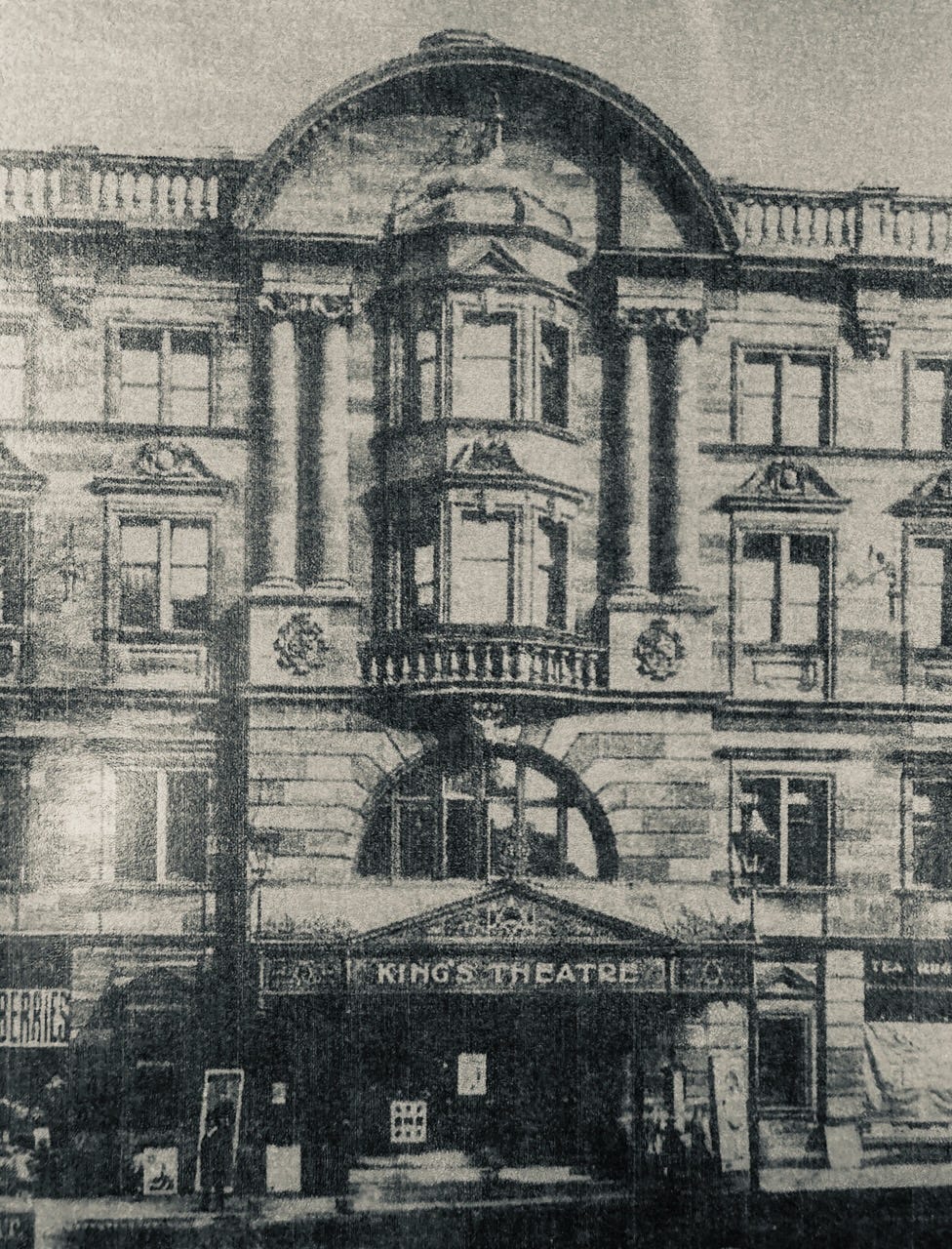
But construction didn’t go smoothly. It halted when the owner ran out of money. What happened next was unprecedented. The builders, a local family firm, WS Cruikshank & Son, facing heavy losses, decided to take over the running of the theatre. The son (Stewart Cruikshank) became manager in 1911 - a post he held until 1949. He had no background in theatre whatsoever, perhaps making him more open to new and popular trends. The Cruikshank family went on to become one of the UK’s leading theatre dynasties.
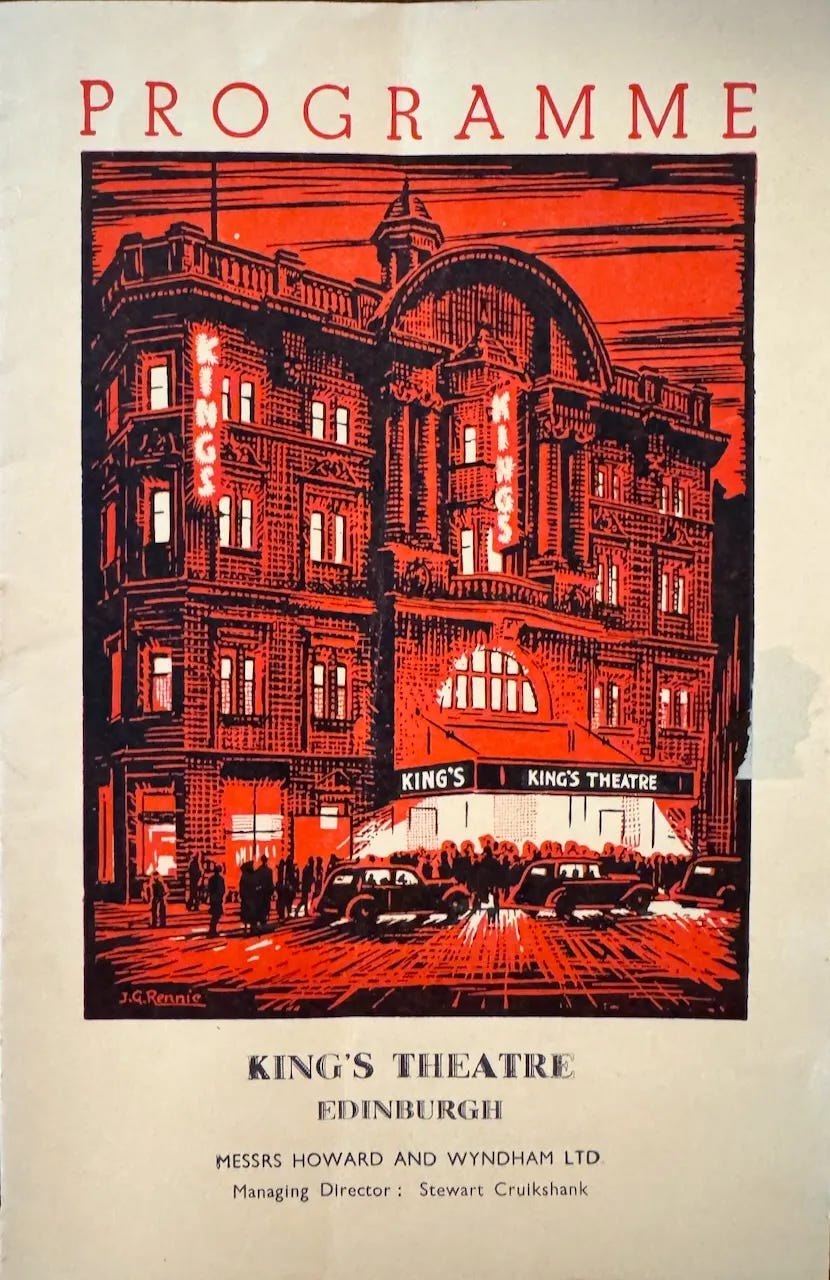
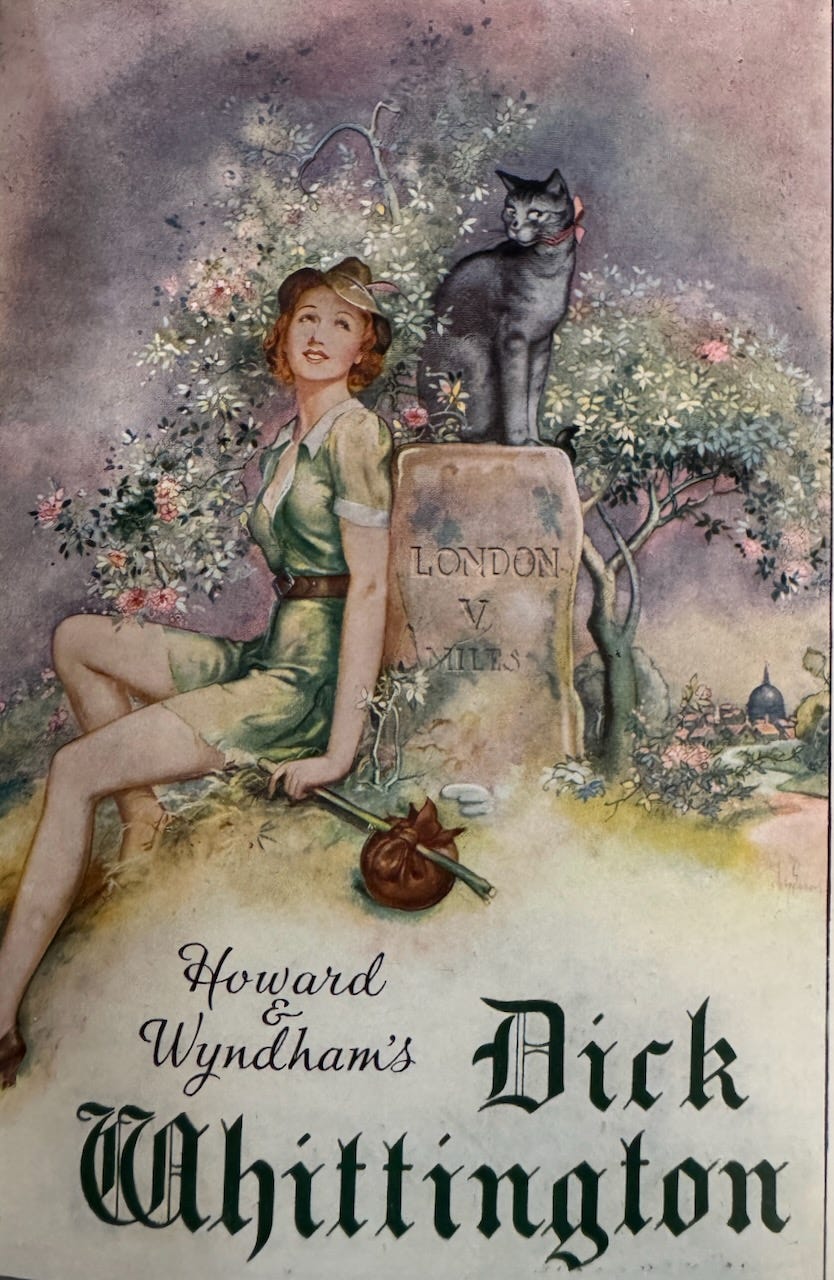
In 1928, the King’s Theatre was sold to theatre management company Howard & Wyndham Ltd. Cruikshank remained director and ran the UK-wide theatre network from a wood-panelled office at the King’s, now a display room and extension of the beautifully restored upstairs cafe bar.
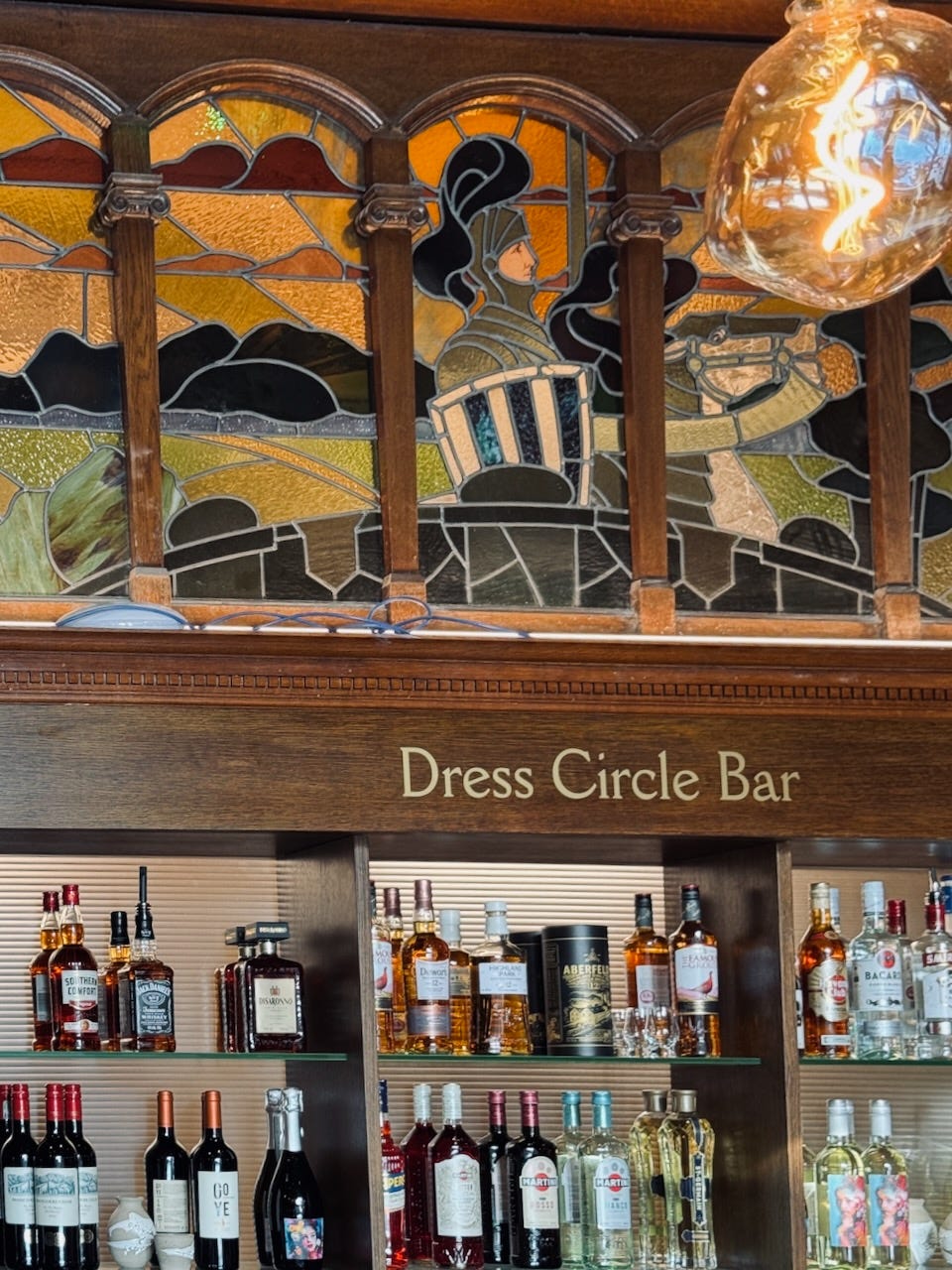
The Grand Old Lady of Leven Street
Owned by theatre charity Capital Theatres, which also owns Edinburgh’s Festival Theatre, this Grade A-listed building is the only surviving working theatre designed by Swanston & Davidson. Also known as The Grand Old Lady of Leven Street, it’s often referred to as The People’s Theatre, welcoming to all.
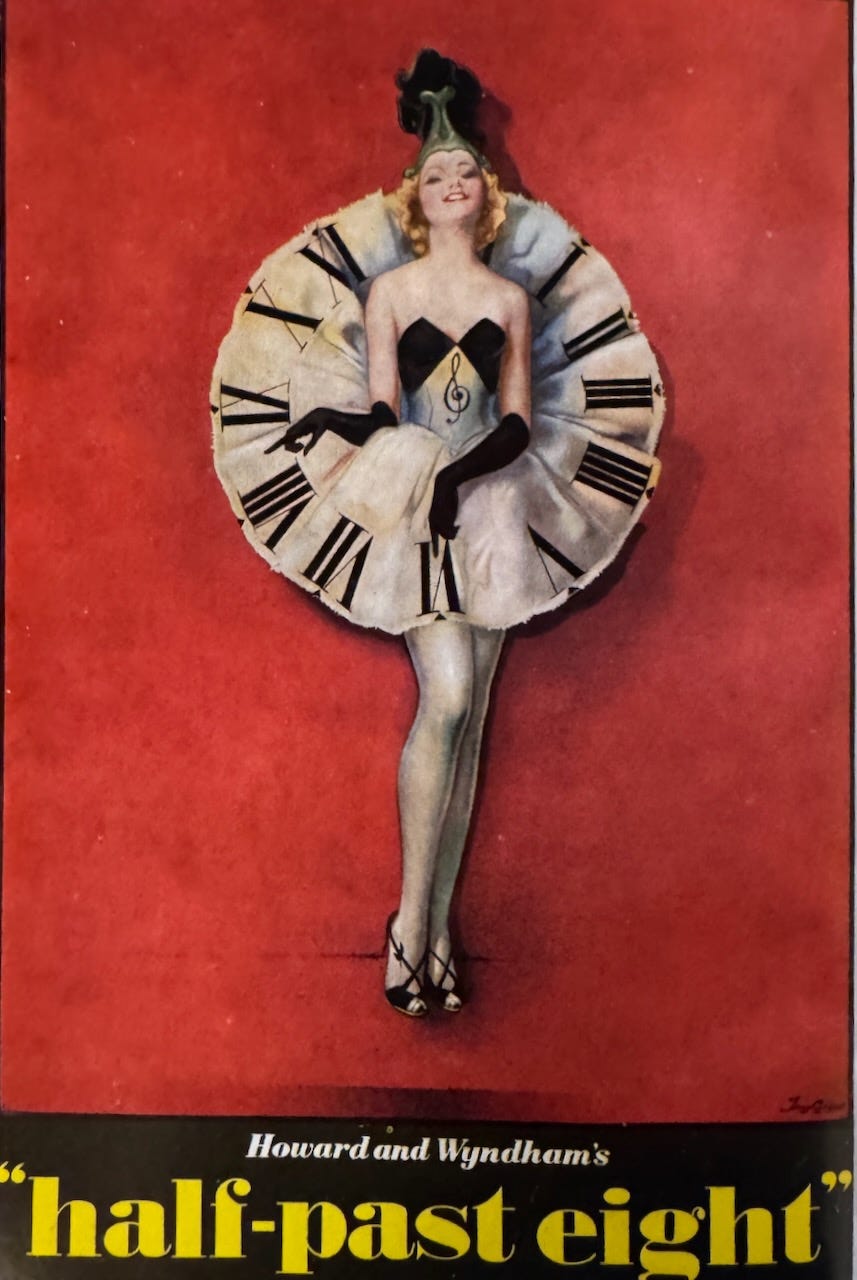
Restoration makes it one of the UK’s most accessible Edwardian heritage buildings, with wheelchair access to public and backstage areas and a Creative Engagement Studio for community workshops and events. The King’s Theatre also holds the People’s Archive, a digital collection of artefacts and stories from the theatre’s history.
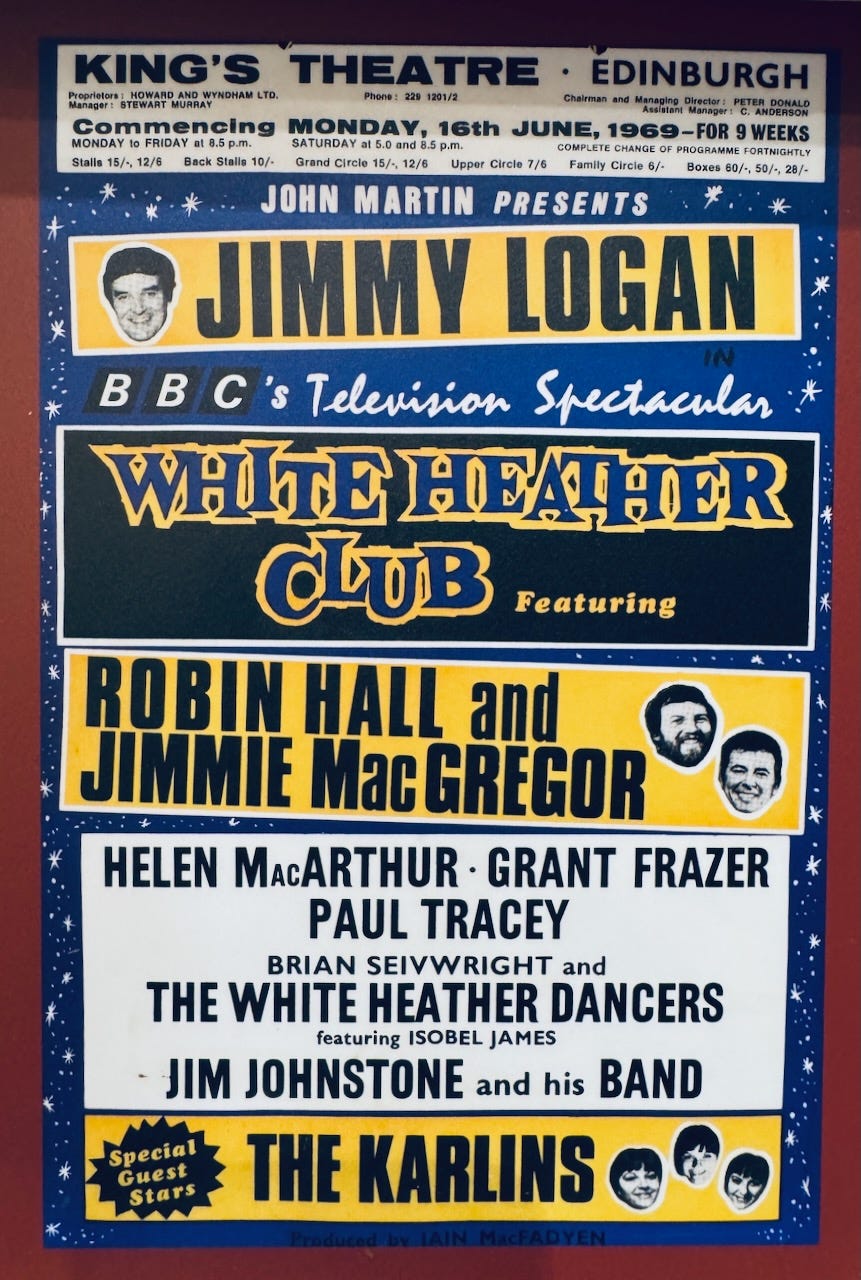
The previously raked stage has now been levelled, allowing for dance performances and avoiding the legendary prop mishaps through the years, including Shirley Valentine’s fridge taking out the front row seating. The fly tower has also been heightened by 4.5 metres.
You can take a Heritage Tour for free, or pay for a backstage tour. The tradition of hosting Edinburgh’s pantomime will continue every year.
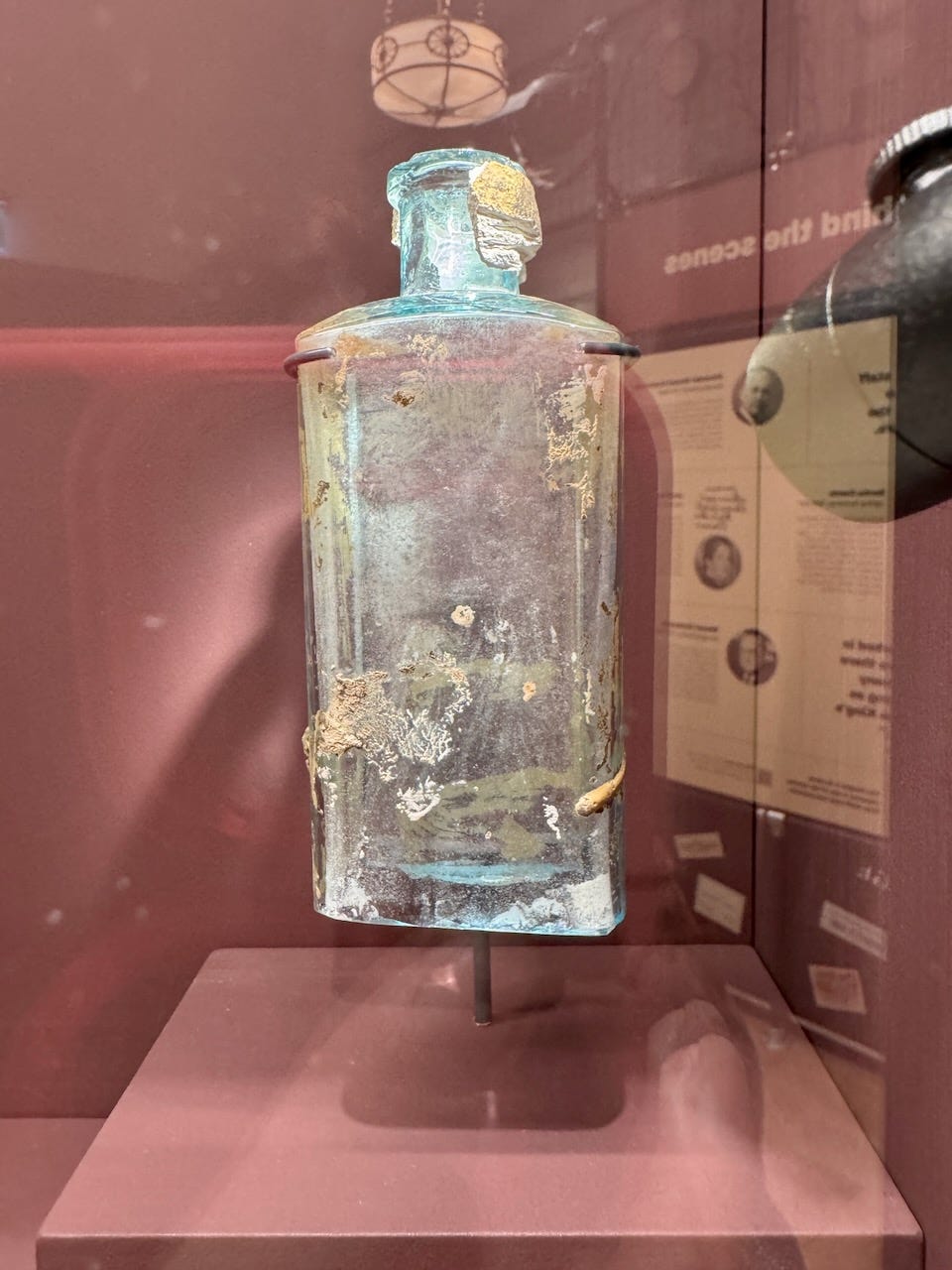
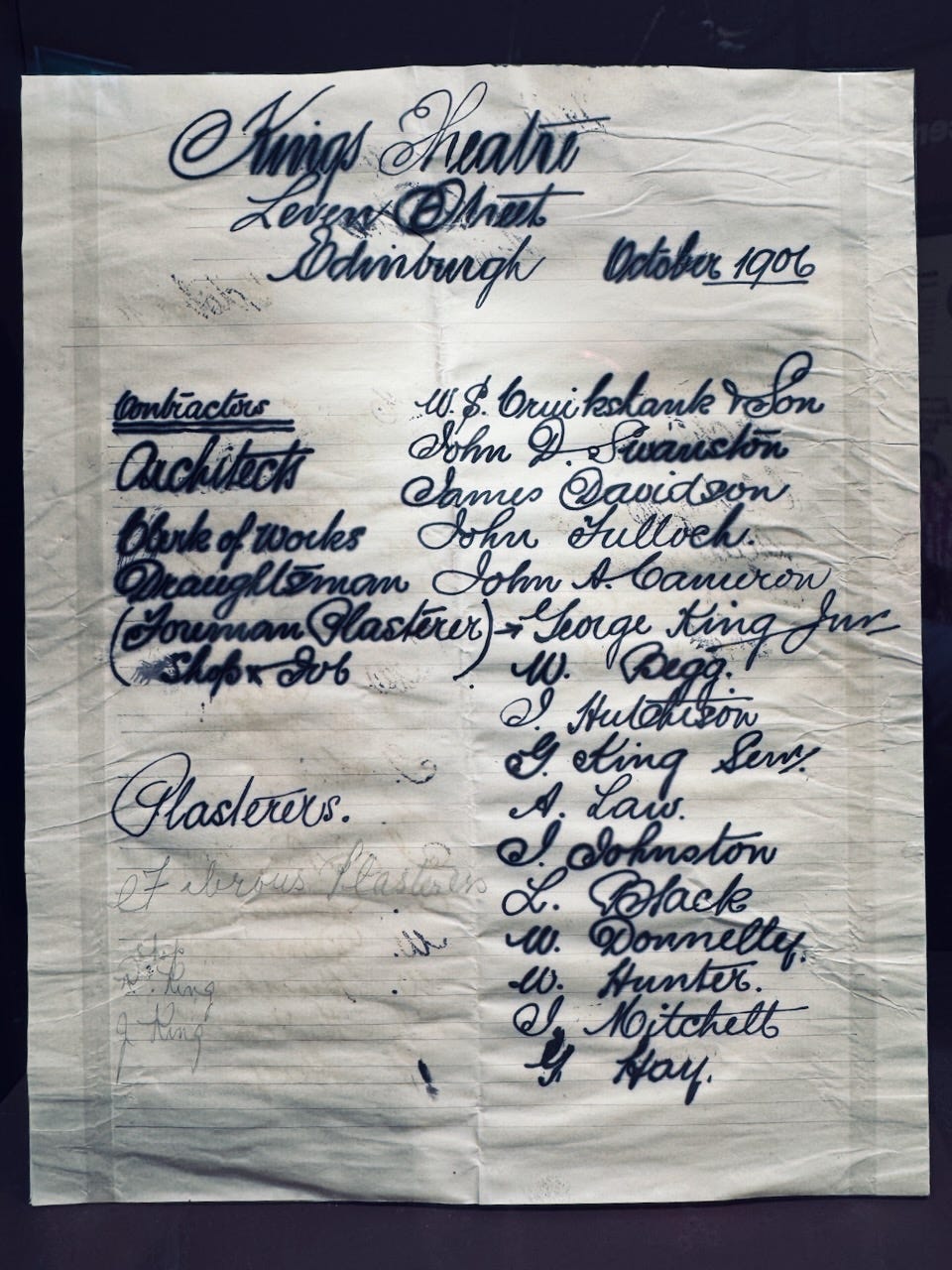
During restoration work, workers found a glass bottle (below) hidden behind the crown plaster motif above the proscenium. Inside was a piece of paper dated 1906, with a handwritten list of names of those who worked on the building of the theatre.
Design highlights not to miss
Look up! The interior ceiling dome painting All the World’s a Stage by late artist and playwright John Byrne.
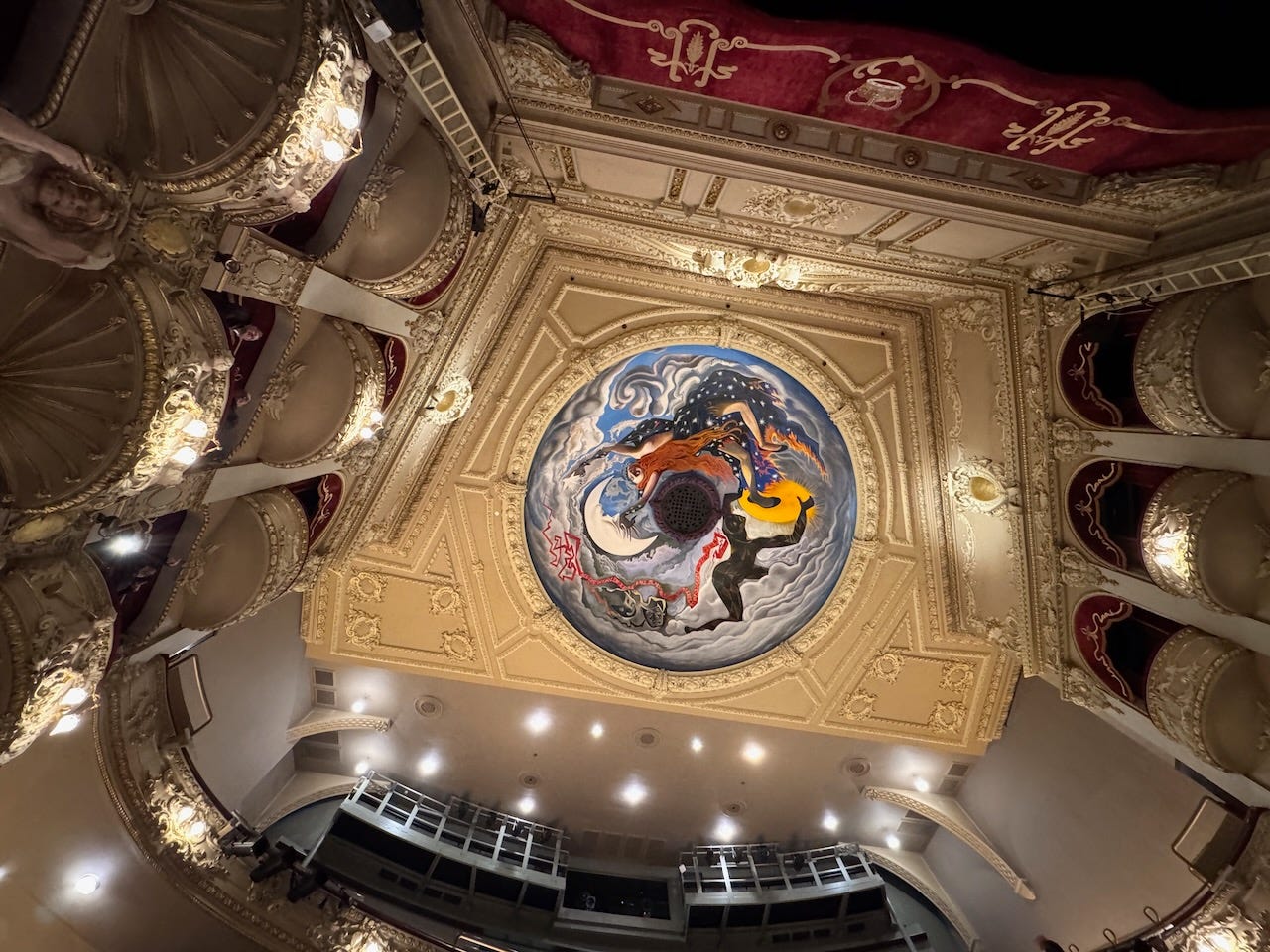
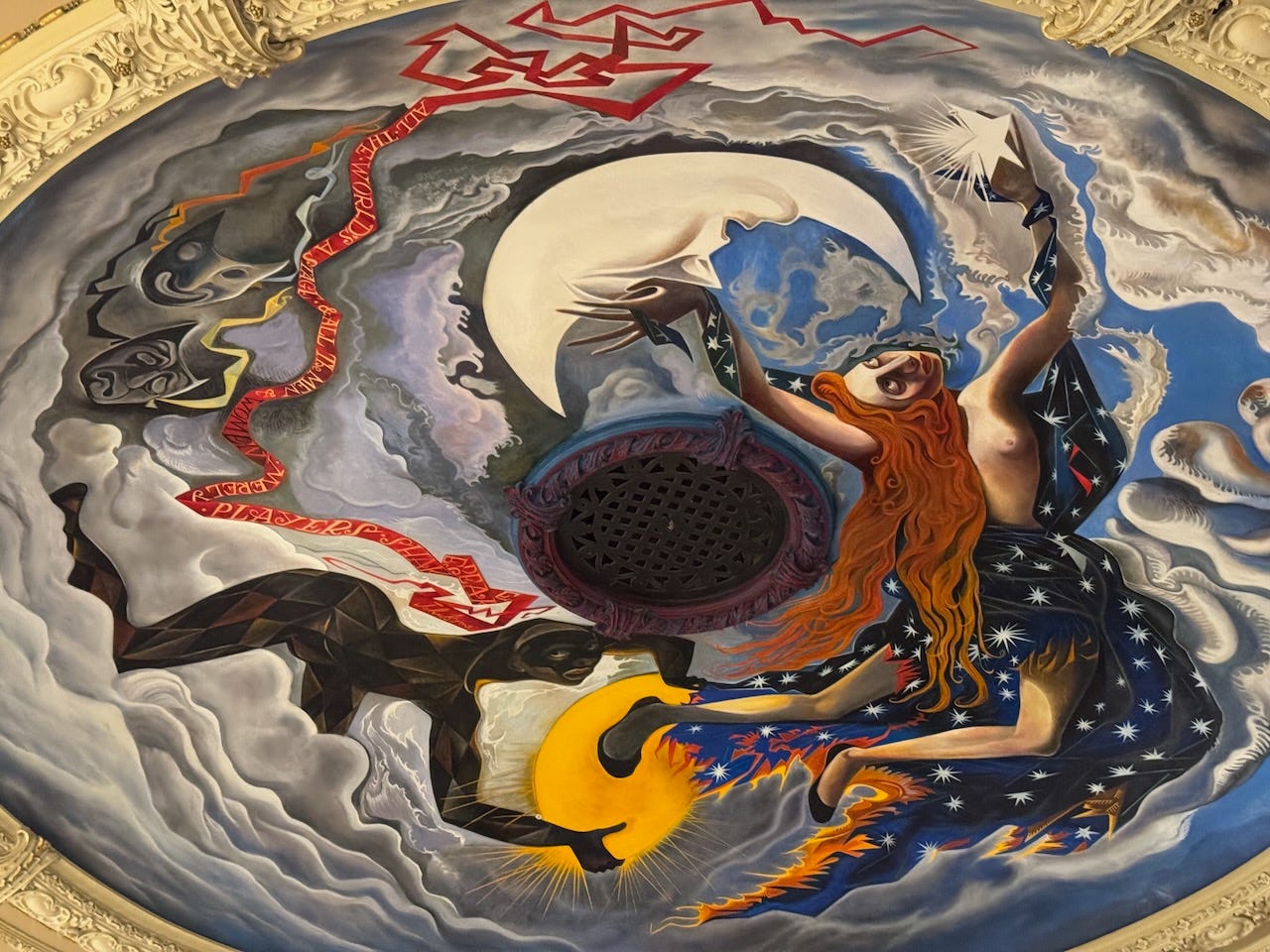
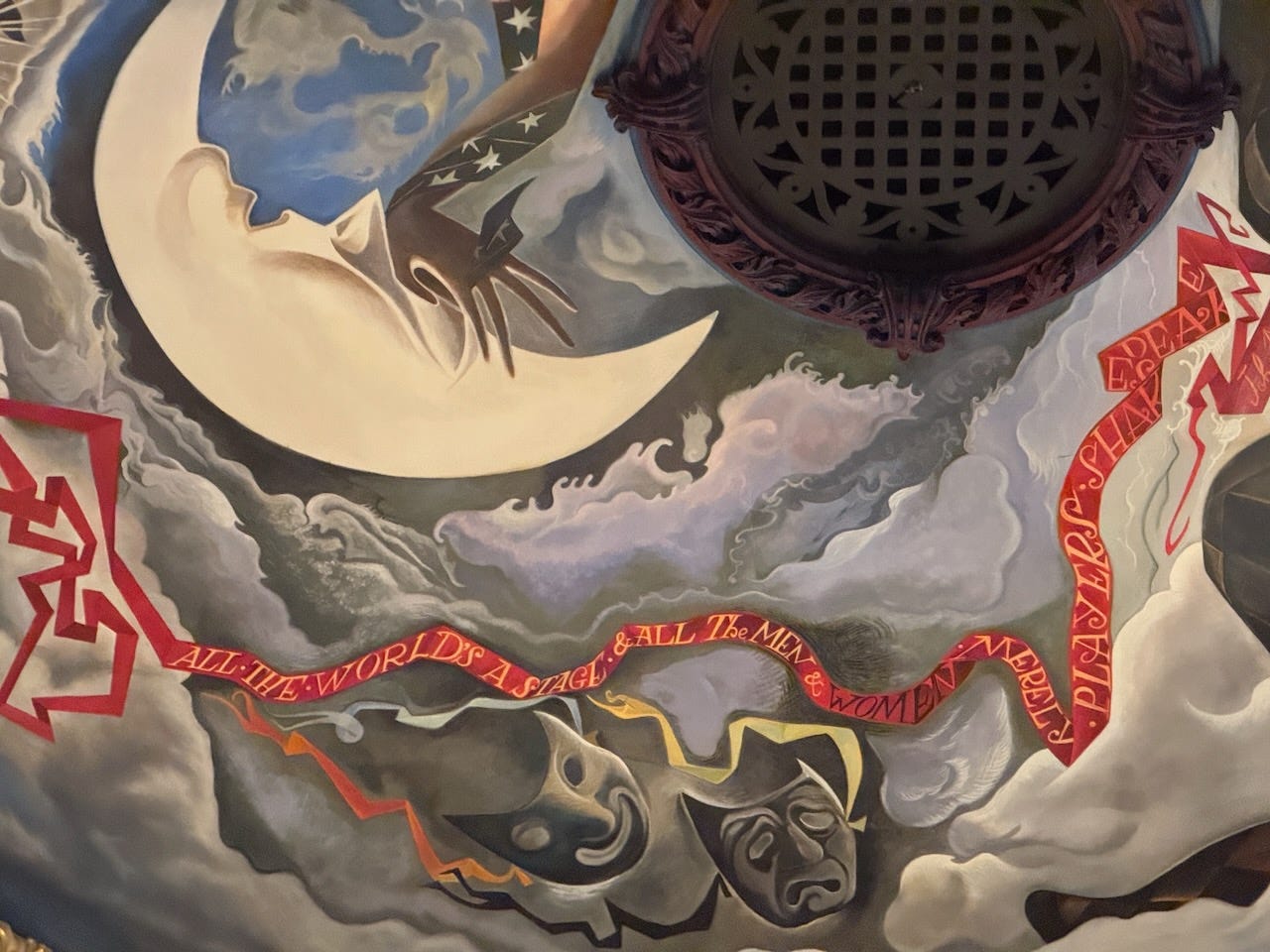
Commissioned in 2013, it is his largest public artwork. He lived nearby and was a regular audience member at The King’s. You can see exactly how it was done at this time lapse film below.
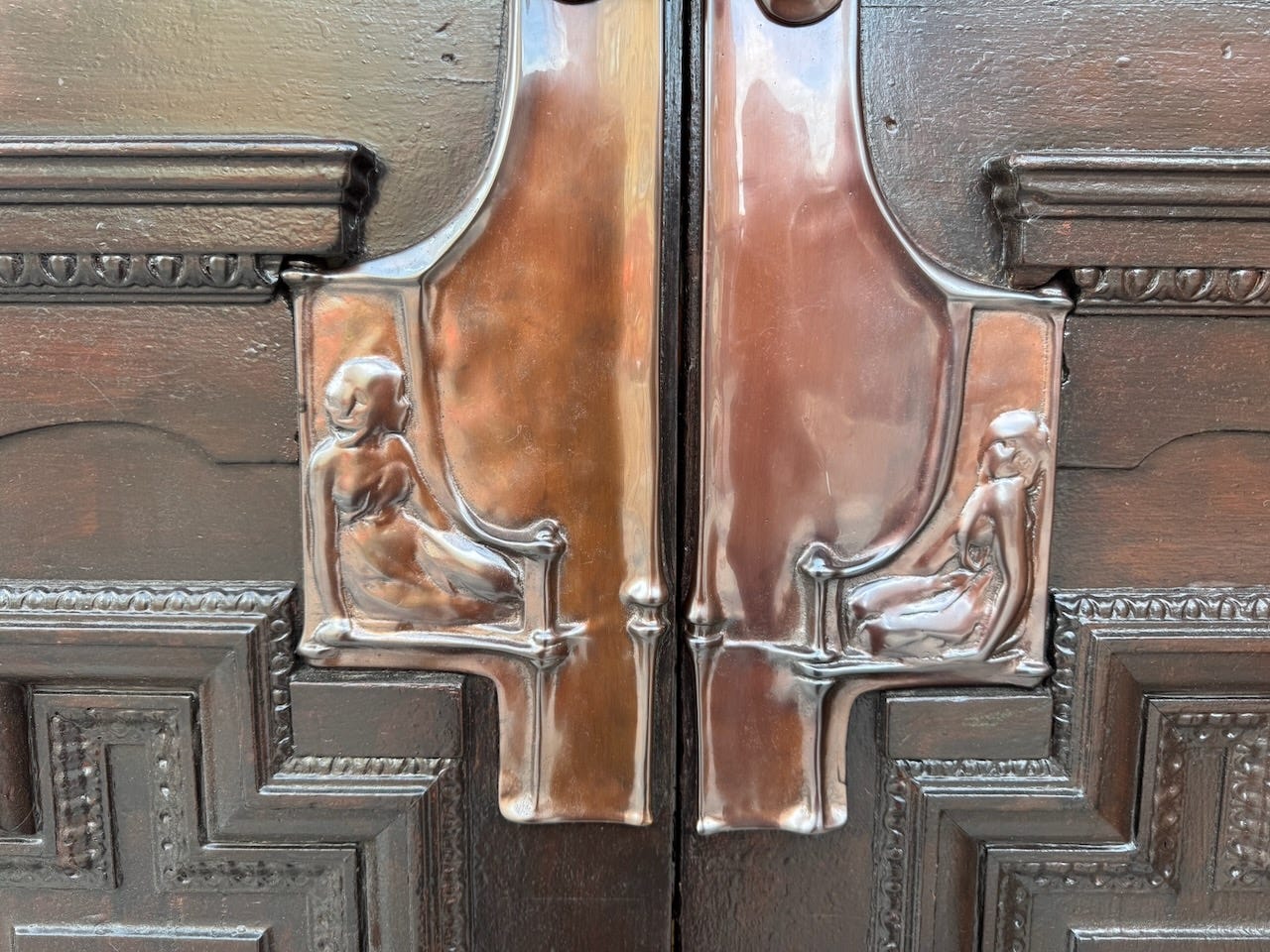
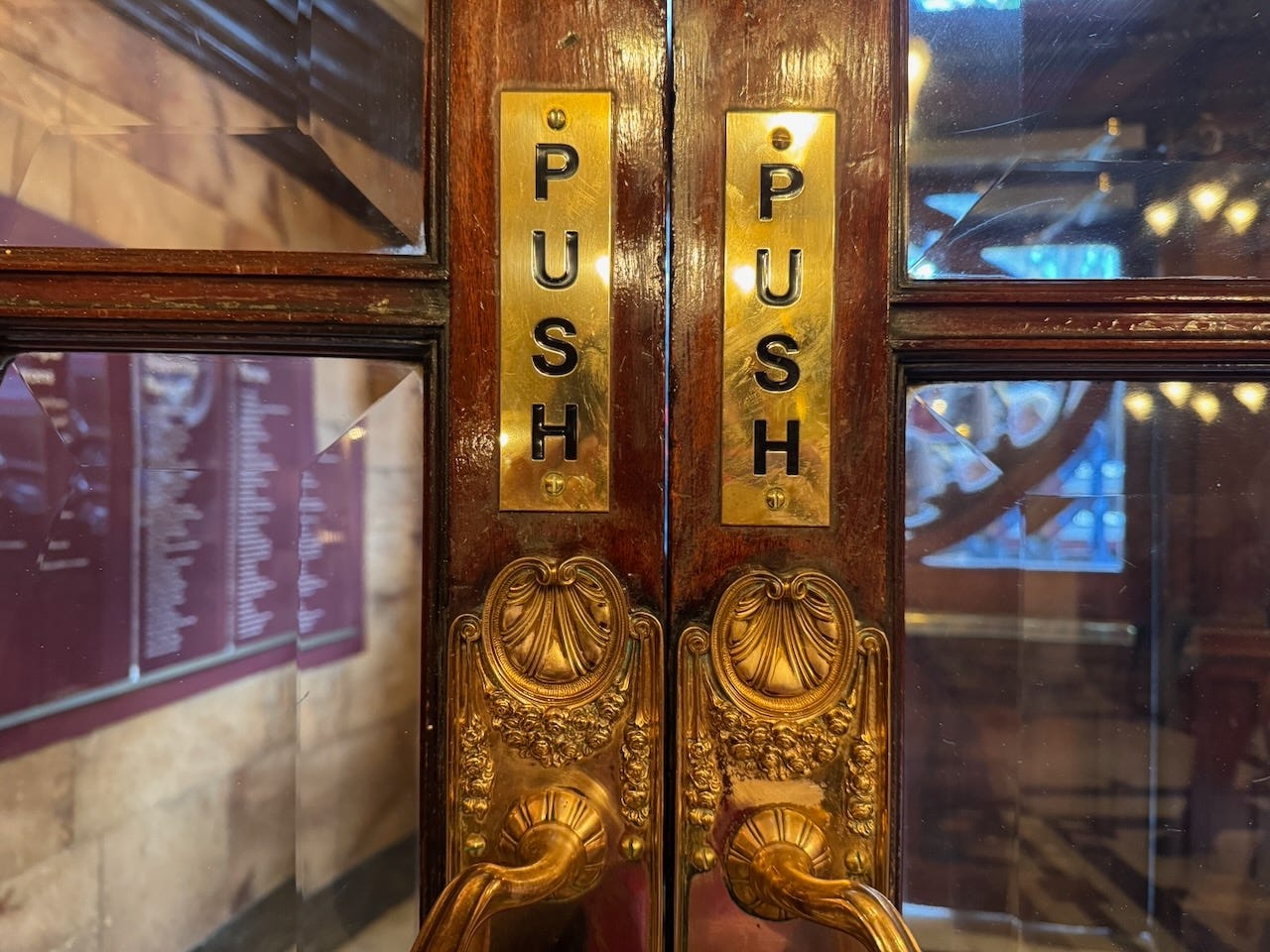
Seek out original features on every floor, including wood panelling, tiles, doors with Art Nouveau handles and stained glass panels.
For further information and booking details for shows at King’s Theatre, go to www.capitaltheatres.com/kings-shows