


Delving a little deeper into the alleyways off Edinburgh’s Royal Mile to uncover its most creatively-charged stories and details. Join me as I tour the Royal Mile close by close. Let’s have a look at our first stop, White Horse Close. But first up…
What is a close?
In Scotland, a close is an alleyway between buildings. A close was traditionally a gated alleyway leading to and from private homes. The gates were locked at night with only the residents having a key. You can still see faint evidence of the mounting points for iron gates on the entrances of some closes today.
Royal Mile Closes
The Royal Mile was Edinburgh’s first main street and is now the central hub of the historic Old Town. The closes branch off the Royal Mile like ribs or a fish skeleton. Each close has its unique and colourful history.
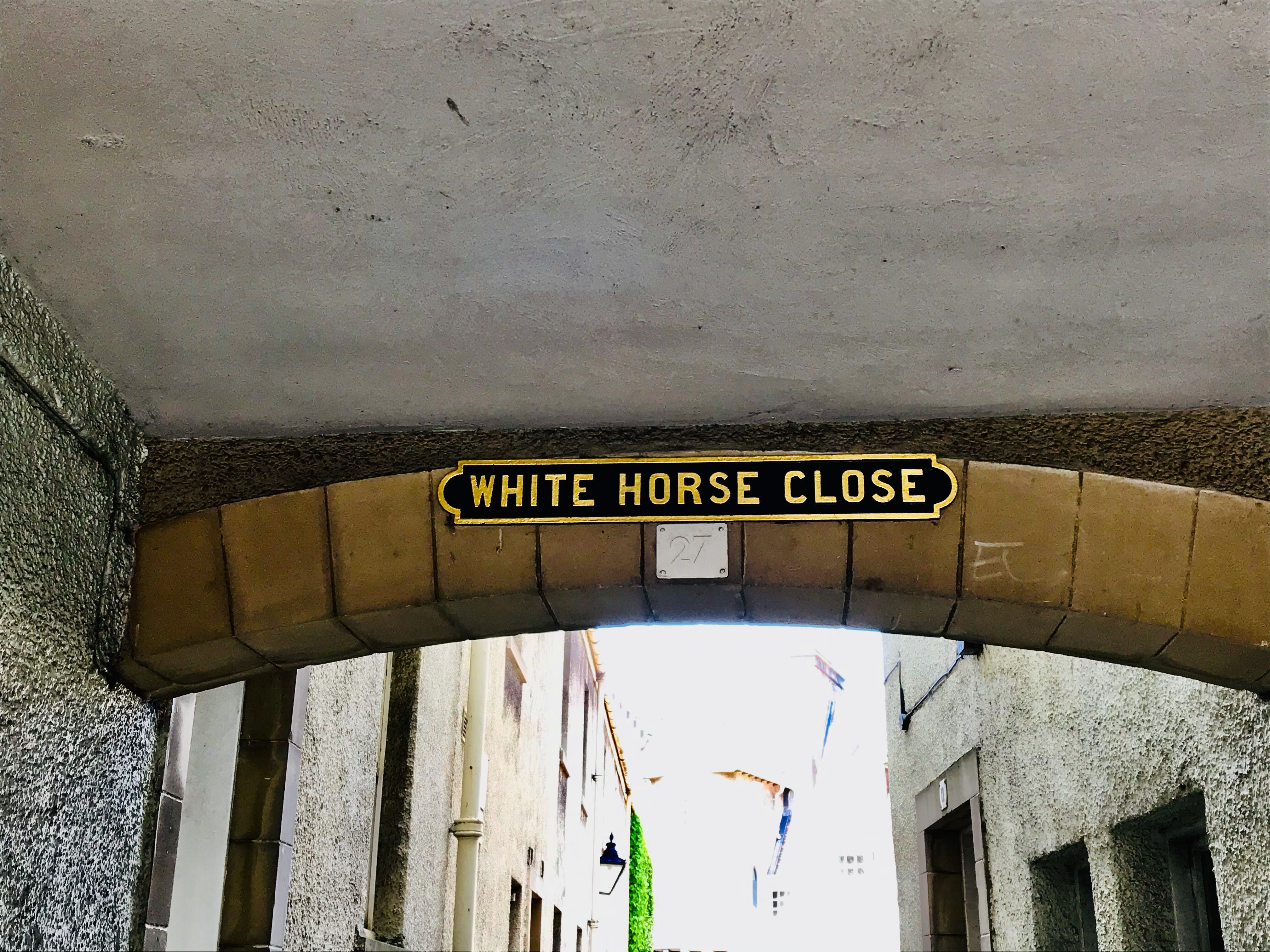
White Horse Close
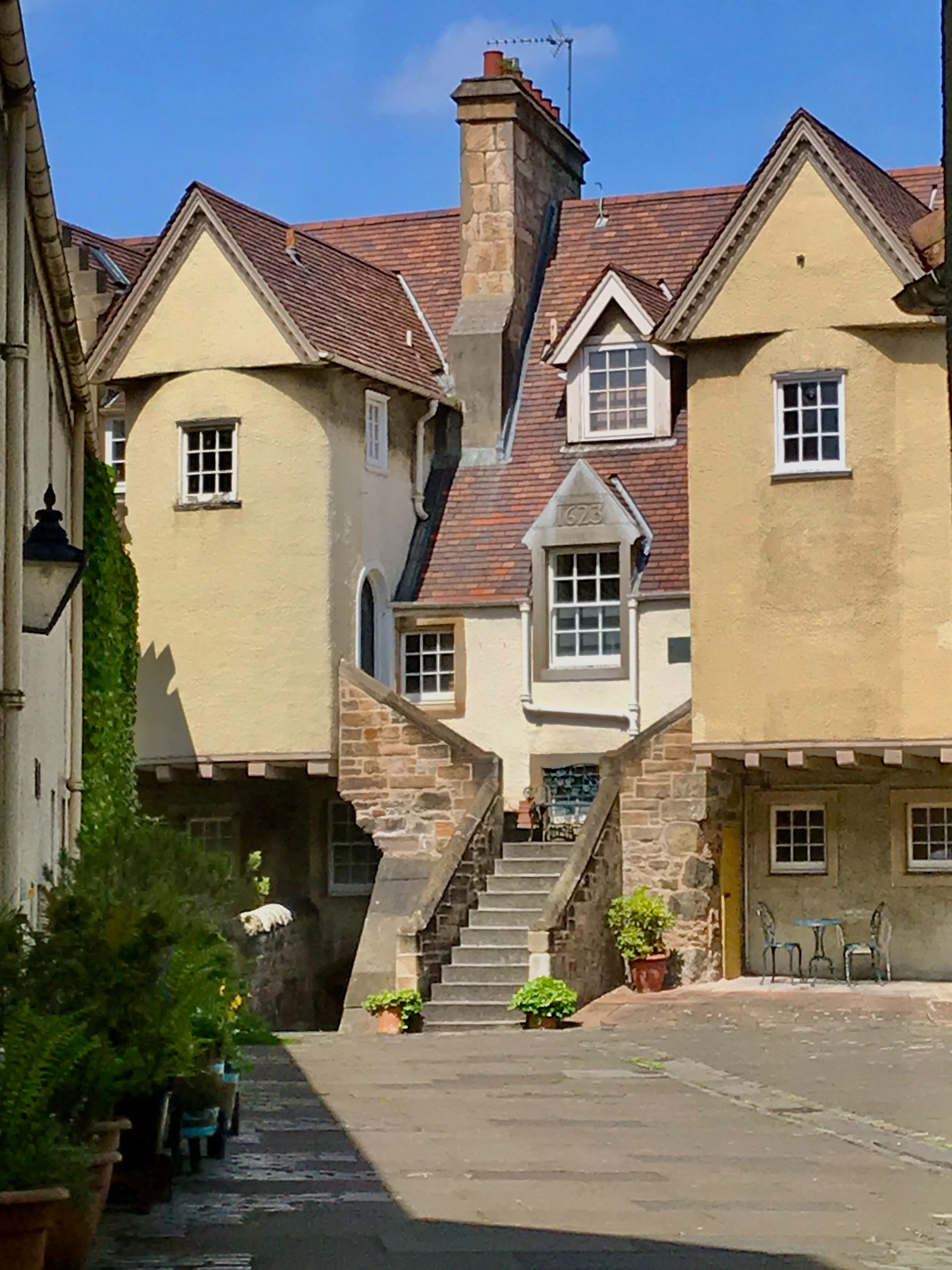
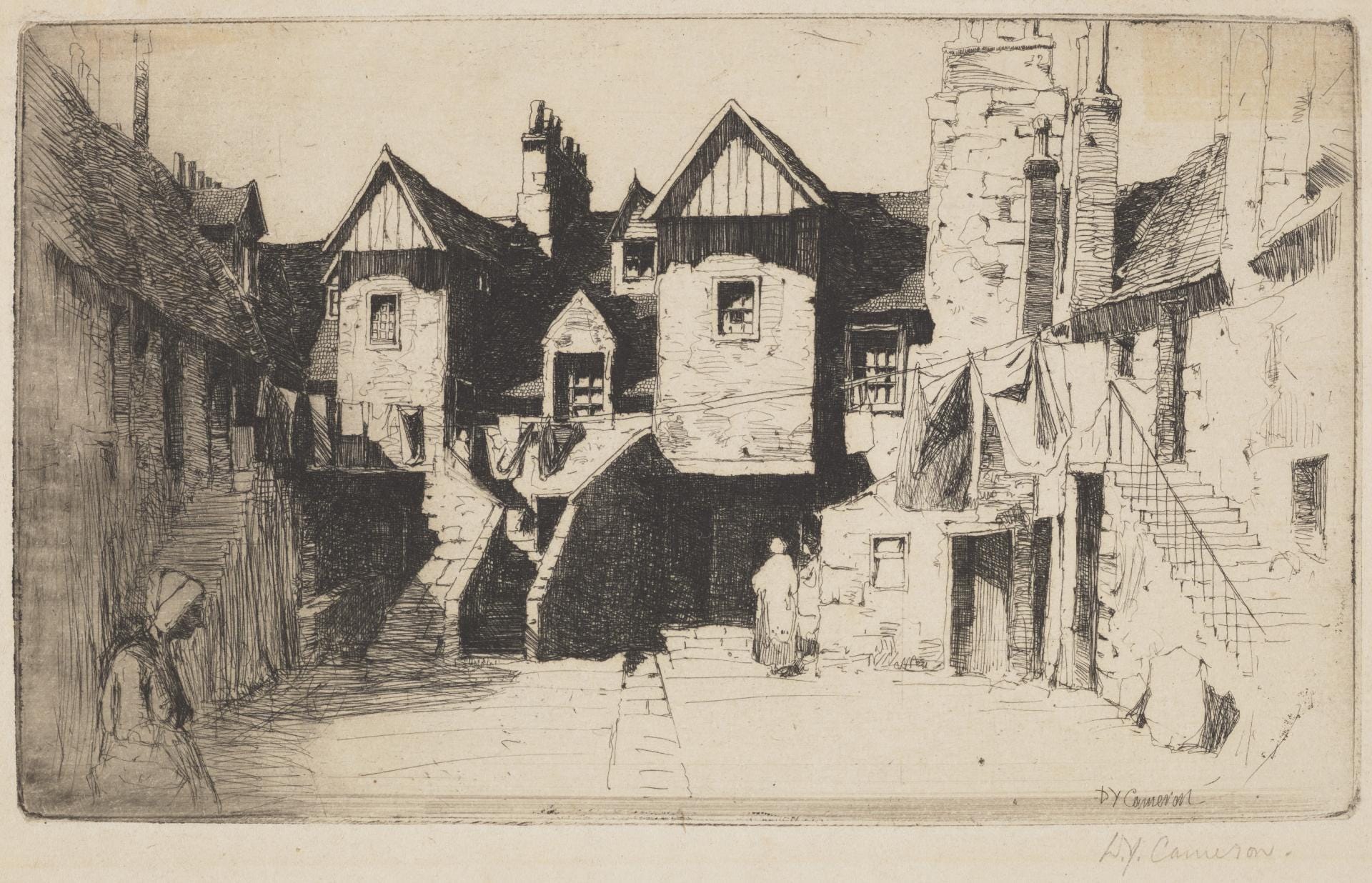
Tucked away under an archway on the Canongate section of the Royal Mile right opposite the Scottish Parliament building. Stepping into the threshold of the close, you might feel a wee bit like you’re stepping into a time portal. Suddenly, the jostle of the street quietens. You’ve immediately arrived at an enclosed courtyard and could feel that you’ve walked onto a film set.
The history of this close is as multi-faceted as the buildings standing before you. Although it’s still considered a hidden gem, there is often one or two visitors standing in the close whenever I walk past. This is a private residential courtyard and it’s fine to have a walk around but you can’t enter the buildings. This close is all about aesthetics and has been captured by artists through the centuries. You will find out soon enough that not all closes are as picturesque, spacious and sweet-smelling.
White Horse Inn
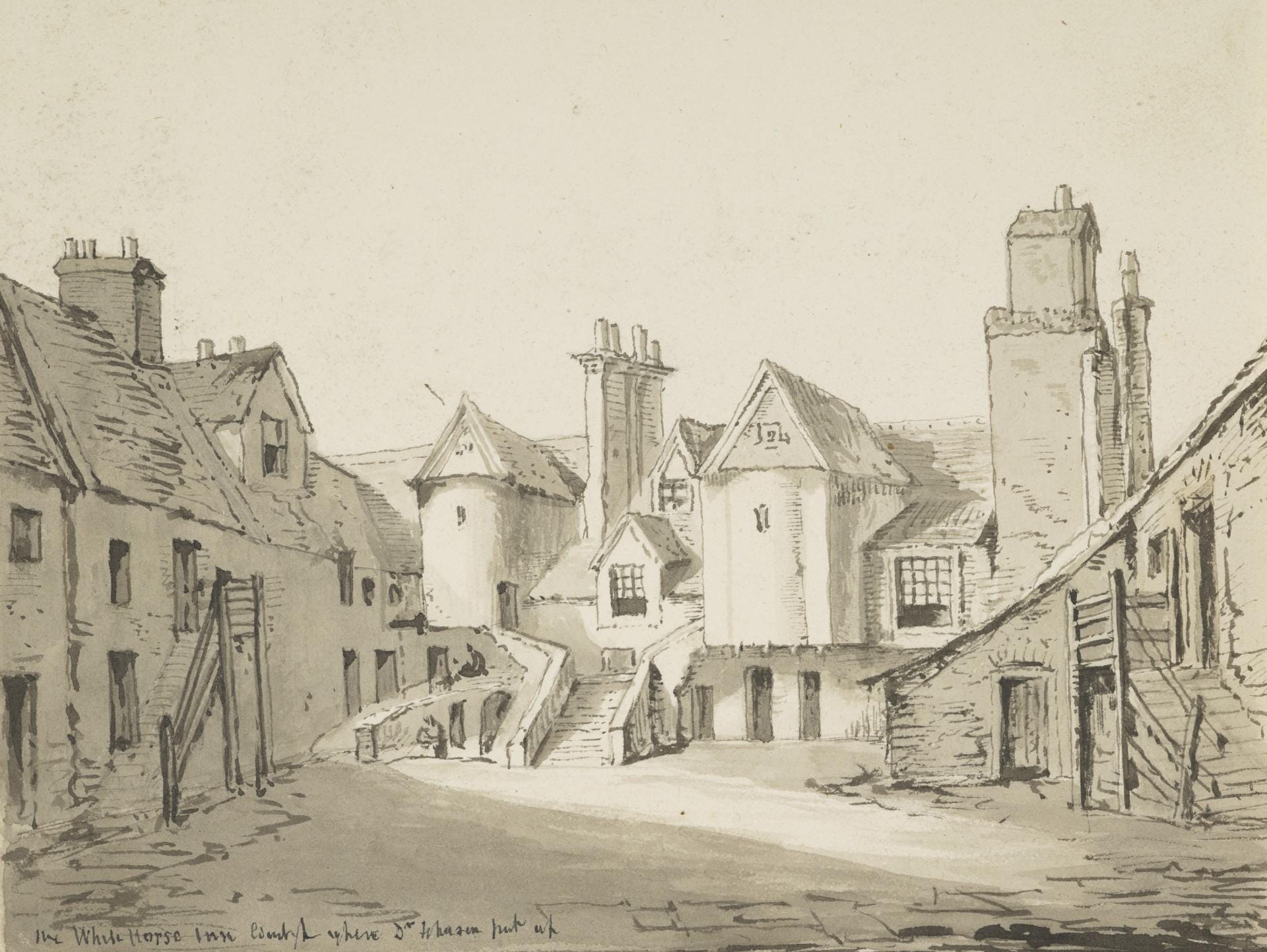
On entering the courtyard the building in front of you with the turnpike stair stands where once was the White Horse Inn. According to the plaque on the wall, the White Horse Inn was built by Laurence Ord in 1623, however the accuracy of this date has never been entirely clear.
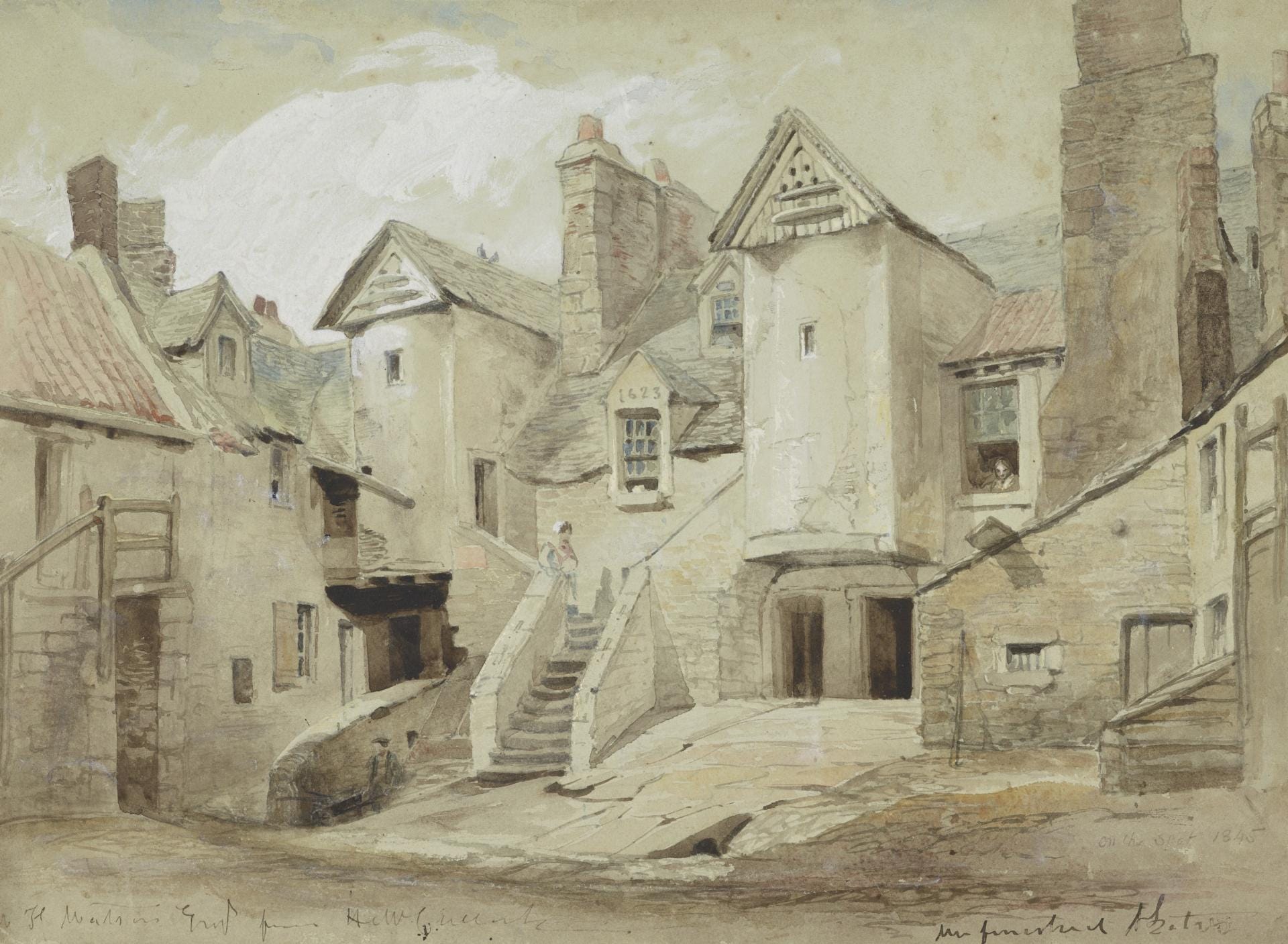
The inn closed in the late 18th century, but once served as a well-known coaching terminus for the Great North Road, the route for stagecoaches arriving to and from London on a week-long journey. It was a setting-off point for stagecoaches veering along Calton Road to join London Road and head southwards. You can pretty much trace this old route today by ignoring the main traffic route of Abbeymount and instead following Calton Road towards the back of Waverley Station, around Calton Hill to meet London Road.
The location was also a good water source with a drinking station nearby for the horses. The water source is another reason why monasteries, distilleries and breweries were built around this spot.
Whitehorse Inn was built on the location of stables serving Holyrood Palace (the royal mews), it was likely named in tribute to Mary Queen of Scots’ favourite white horse. You can still see the layout of these stables as an undercroft at the rear of the building on Calton Road.
Ned Holt
Although there have been several notable residents at White Horse Close, one creative and curious resident was Edward (Ned) Holt (1836-92). Ned was a baker-turned-showman-turned-actor. He was also an artist on the side. His sketches kept him in regular supplies at the nearby drinking establishments along the Royal Mile. He sketched the colourful contemporary characters that live and work around the Royal Mile. As an actor, Ned was known for playing Hamlet at a ‘penny gaff’ theatre called Connor’s in Blackfriars Wynd (now called Blackfriars Street).
Our Ned also ran a fairground booth in the Grassmarket where people could pay a penny to see a living skeleton which he bought for a few pennies and covered with rubber and bark from the local tannery. He also hosted various fairground acts, a thousand-year-old mummy and a demonstration of him killing rats with his teeth. On 21st September 1892, poor Ned dies after being hit by a cab whilst returning from the Musselburgh horse races. However, Ned is best remembered today for his character sketches of Victorian Edinburgh street-life. You can view the collection of Ned Holt paintings online. These people come alive for us today as they have gained immortality through Ned.
Poet, Donald Campbell (1940 - 2019) wrote a poem in 2014 about the artist to accompany a Museum of Edinburgh exhibition of his artworks:


Ned Holt

In his studio and on stage
At Connor's or the Hallow Fair,
The talent he possessed was rare
And would be so in any age.

But in Auld Reekie, as elsewhere
The Arts were sorely in decline.
The hey-day of the philistine
Caused all our people to despair.

And yet Ned Holt, he paid no mind
To fashions that were like to kill
The calling that he need fulfil;
To paint the portraits of his kind
From Canongait to Castlehill.
And - through his eyes - we see them still.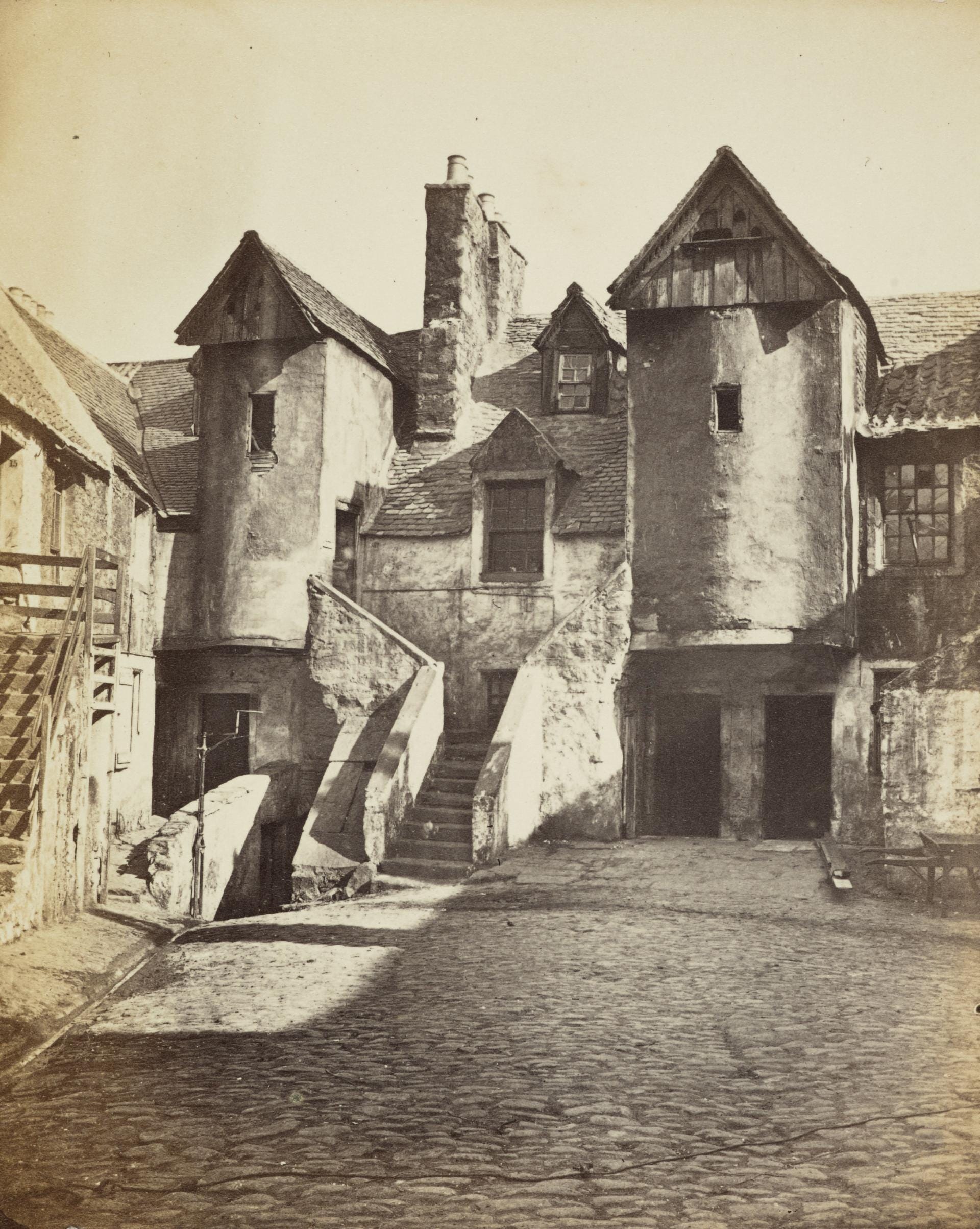
White Horse Close after Ned Holt
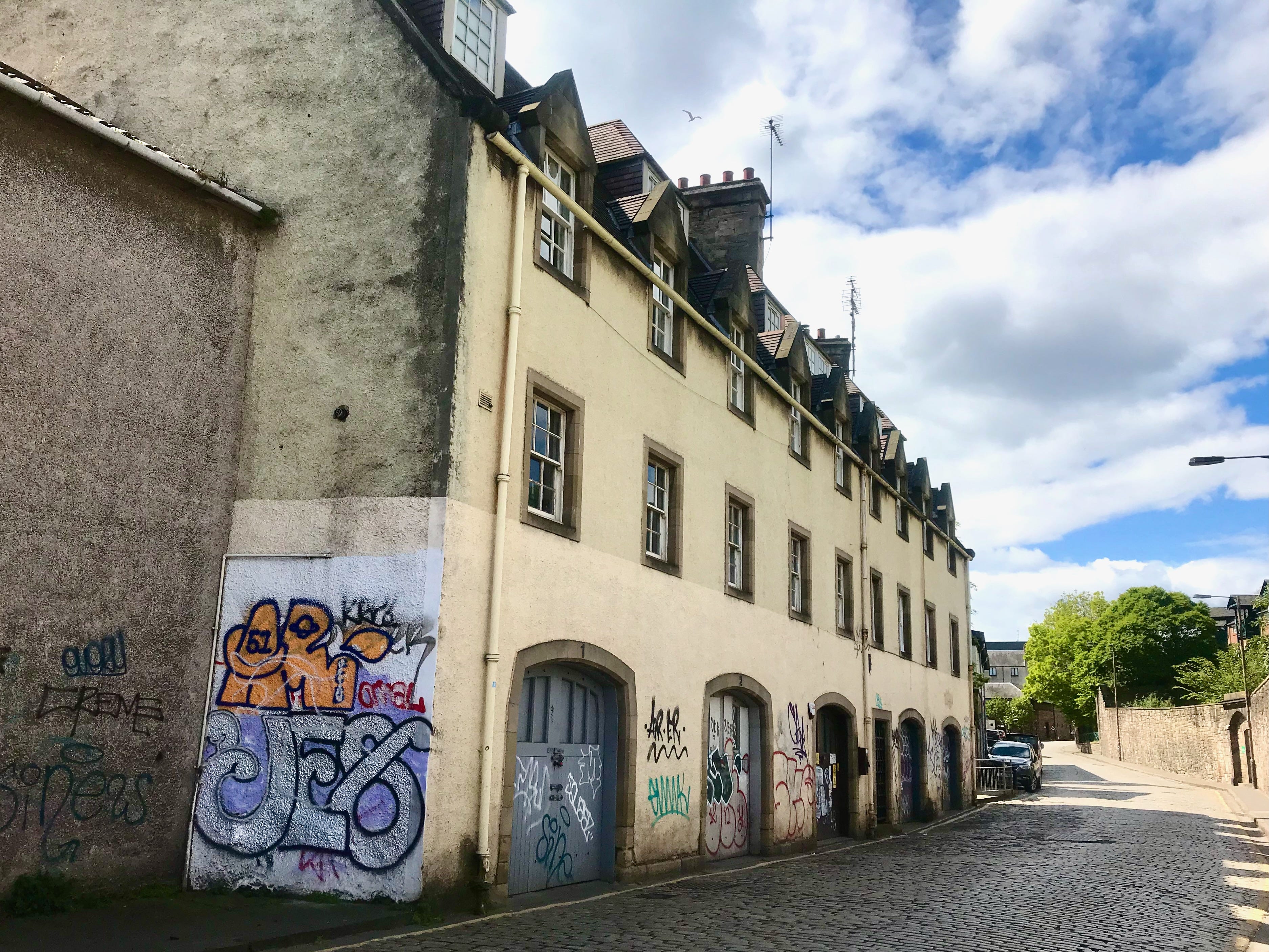
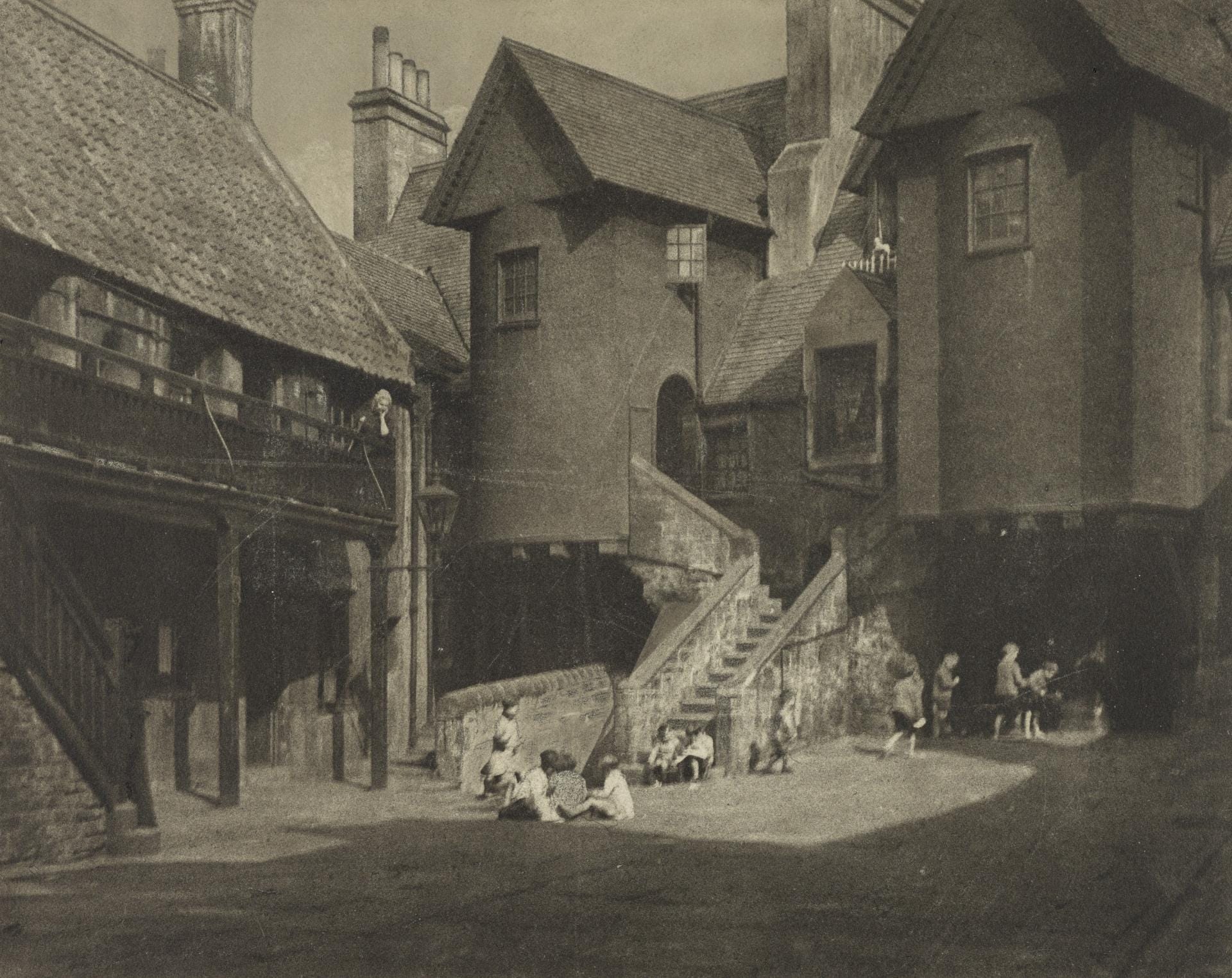
By 1889, White Horse Close was a dilapidated slum with intolerable living conditions – much like many other Royal Mile closes. The courtyard buildings, including the inn, were completely renovated and converted into working-class accommodation following a push from Victorian Edinburgh superhero conservationist and polymath Patrick Geddes. James Jerdan (1839-1913) carried out restoration work to create working class housing in 1889.
Much of the renovation and conservation of Royal Mile’s historic buildings was pioneered by Patrick Geddes. His name will pop-up a lot in future guides as he was so prolific and passionate about this.
A second renovation takes place in the 1960s following a programme of slum clearance and redevelopment. Frank Mears & Partners undertook the major restoration programme in 1964-5.
Although completely renovated, the buildings retain their original character. Typical Scottish architectural features are enhanced such as crow-stepped gables, fore-stairs and pantiled roofs.
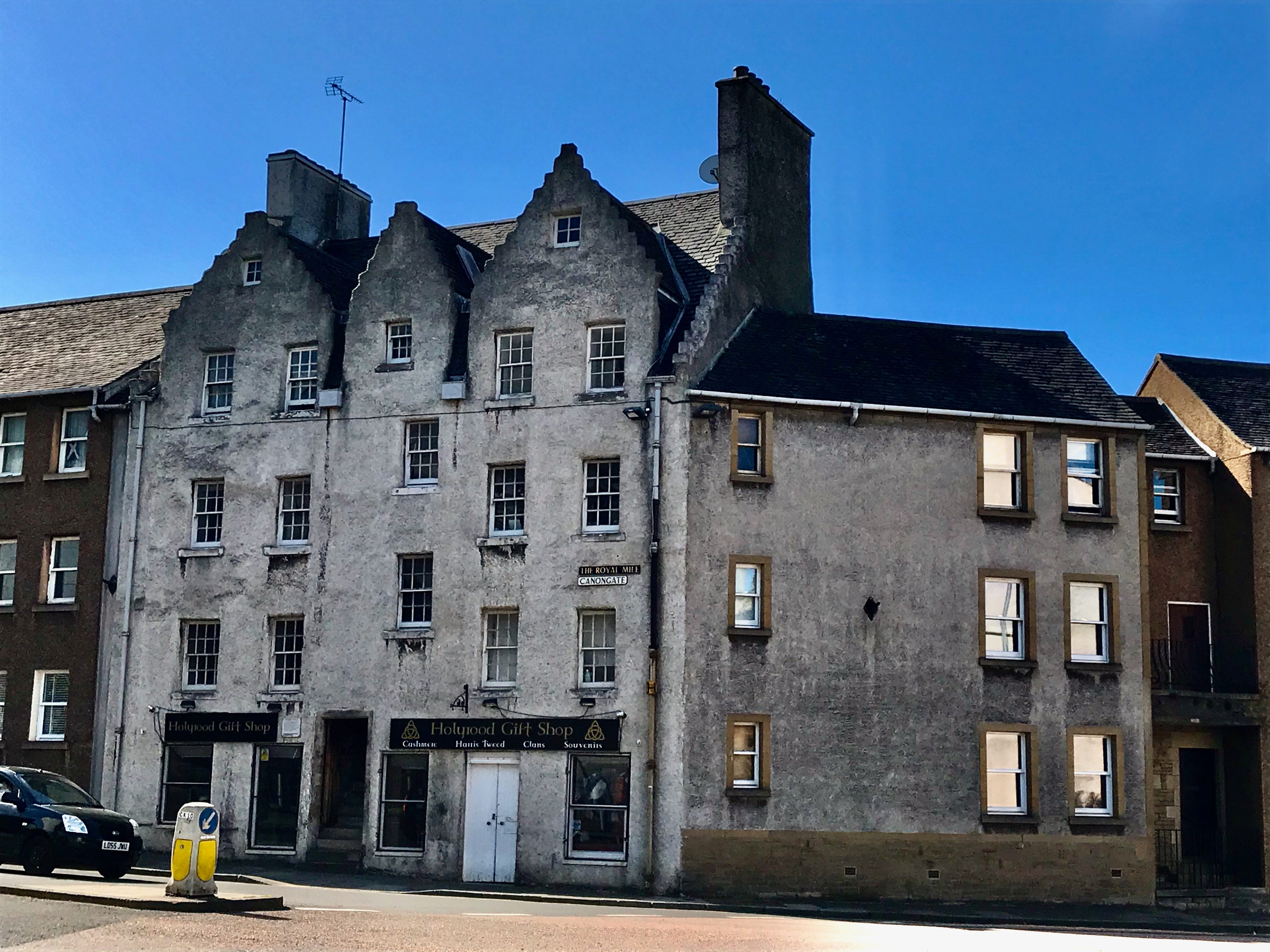
Russell House
It is also worth noticing Russell House, a 17th Century vernacular-styled tenement also twice-renovated. It sits at 5 Canongate, right on the tri-corner opposite the Scottish Parliament and Holyrood Palace – the first building on the right on your way up the Mile.
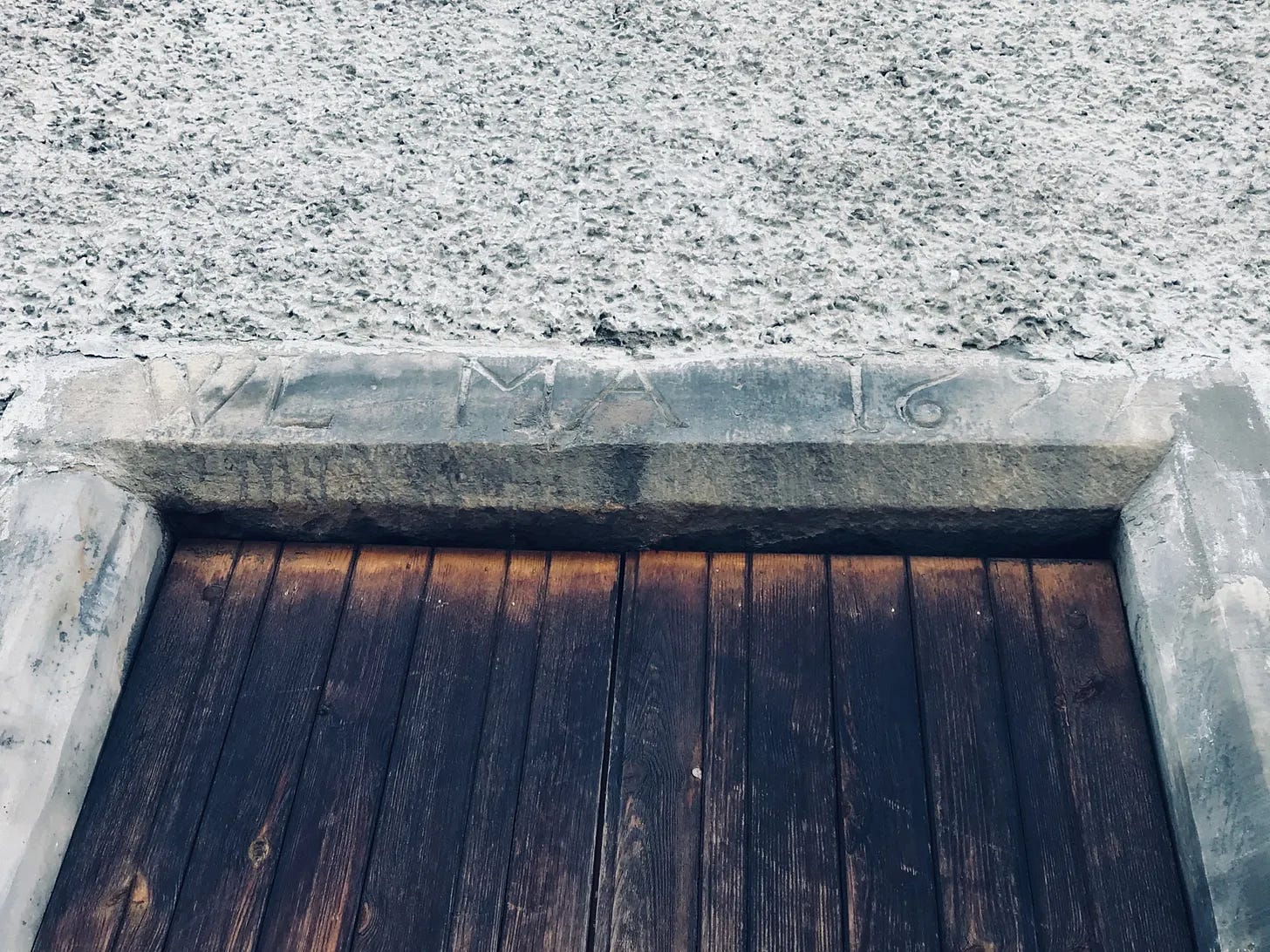
Check out its timber doorway in the staired entrance with marriage lintel celebrating the marriage of WL and MA in 1697, likely salvaged from the old building that stood there before. Russell House was saved from demolition in the mid-1970s.
Practicals
Scottish Parliament bus stop nearby for 35 Lothian Bus and hop on hop off tour bus
Access is free but it’s standing room only:
do be reasonably quiet
don’t disturb the residents, or sit on their doorsteps
don’t peer into windows or knock on doors
White Horse Close today is a desirable place to live and a close-knit community. Please respect their privacy.
Any questions?
Just ask me anything in the comments and I’ll reply…