


Part One traces how a household cloth became a legally protected global name; Part Two will explore Harris Tweed today.
Part One: pre- 20th century
Harris Tweed is one of the world’s most recognisable textiles and a few things truly set it apart. It’s a sturdy, water-resistant wool cloth made in the Outer Hebrides. Certified by the Orb mark label, it’s the only fabric protected by an Act of Parliament (since 1993). Every length of genuine Harris Tweed is made from pure new wool, dyed and spun in the Outer Hebrides, then handwoven by island weavers at home on their own looms before being finished and inspected at local mills. From a domestic cloth built to withstand horizontal rain and Atlantic gales to a global name embraced by designers, shoe brands and lovers of vintage, Harris Tweed’s story is rooted in place, process and protection.
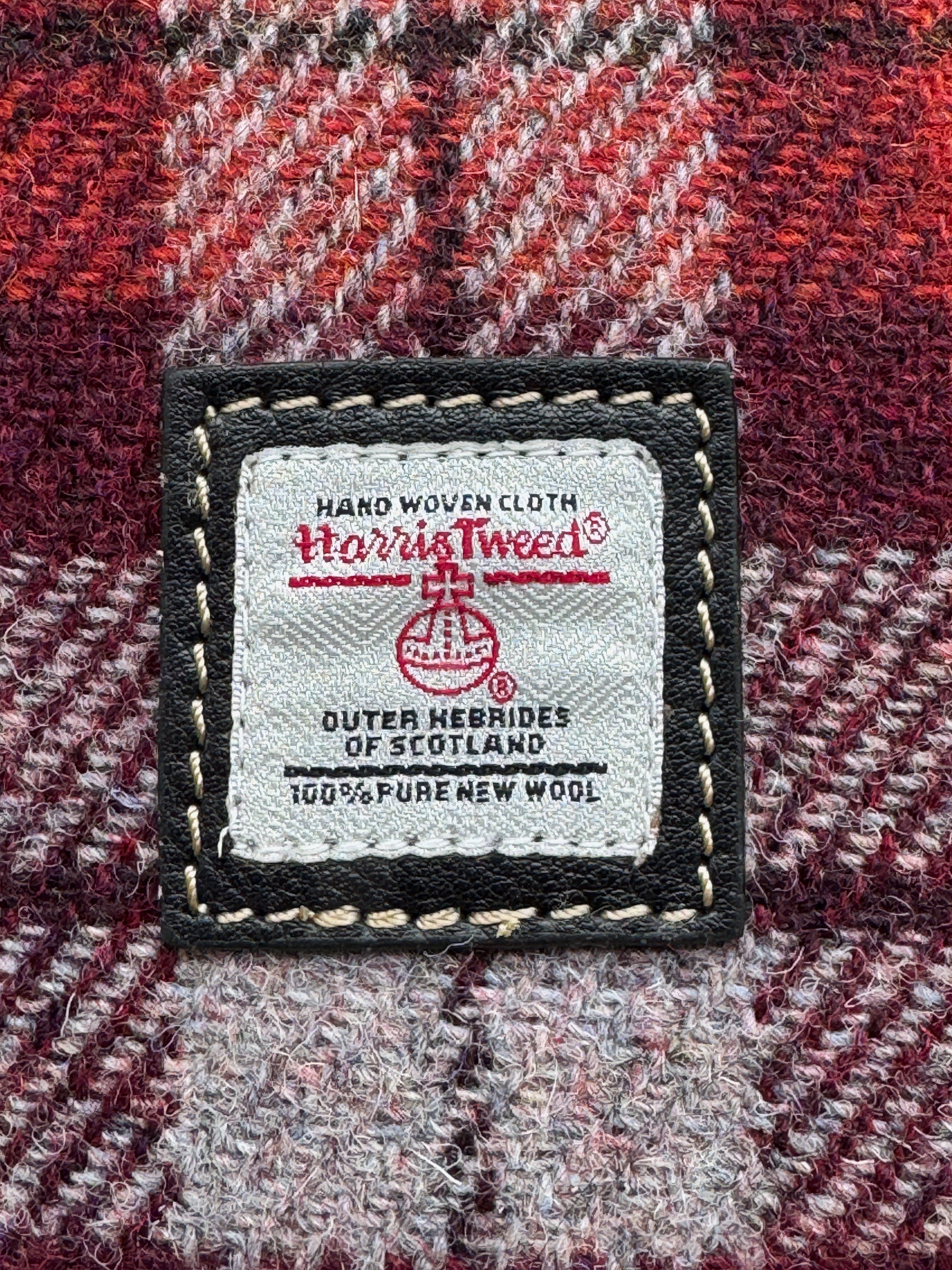
Production of Harris Tweed will endure as long as there are weavers in the Outer Hebrides (Lewis, Harris, the Uists and Barra). From traditional jackets to make-your-own-bag workshops, this versatile textile has carried its character through generations and just keeps renewing its image. Plenty of fabrics are sold as “heritage” in marketing; Harris Tweed is heritage in practice.
What is Harris Tweed?
Known as Clo Mhor in Scottish Gaelic (meaning Big Cloth), Harris Tweed comes in three weights. The lightest is typically used for clothing. The medium weight is most popular and used for jackets, trousers and outerwear. The heaviest weight is used for soft furnishings and bags. The cloth is warm in winter, cool in summer, biodegradable and manufactured with energy efficiency and sustainability in mind.
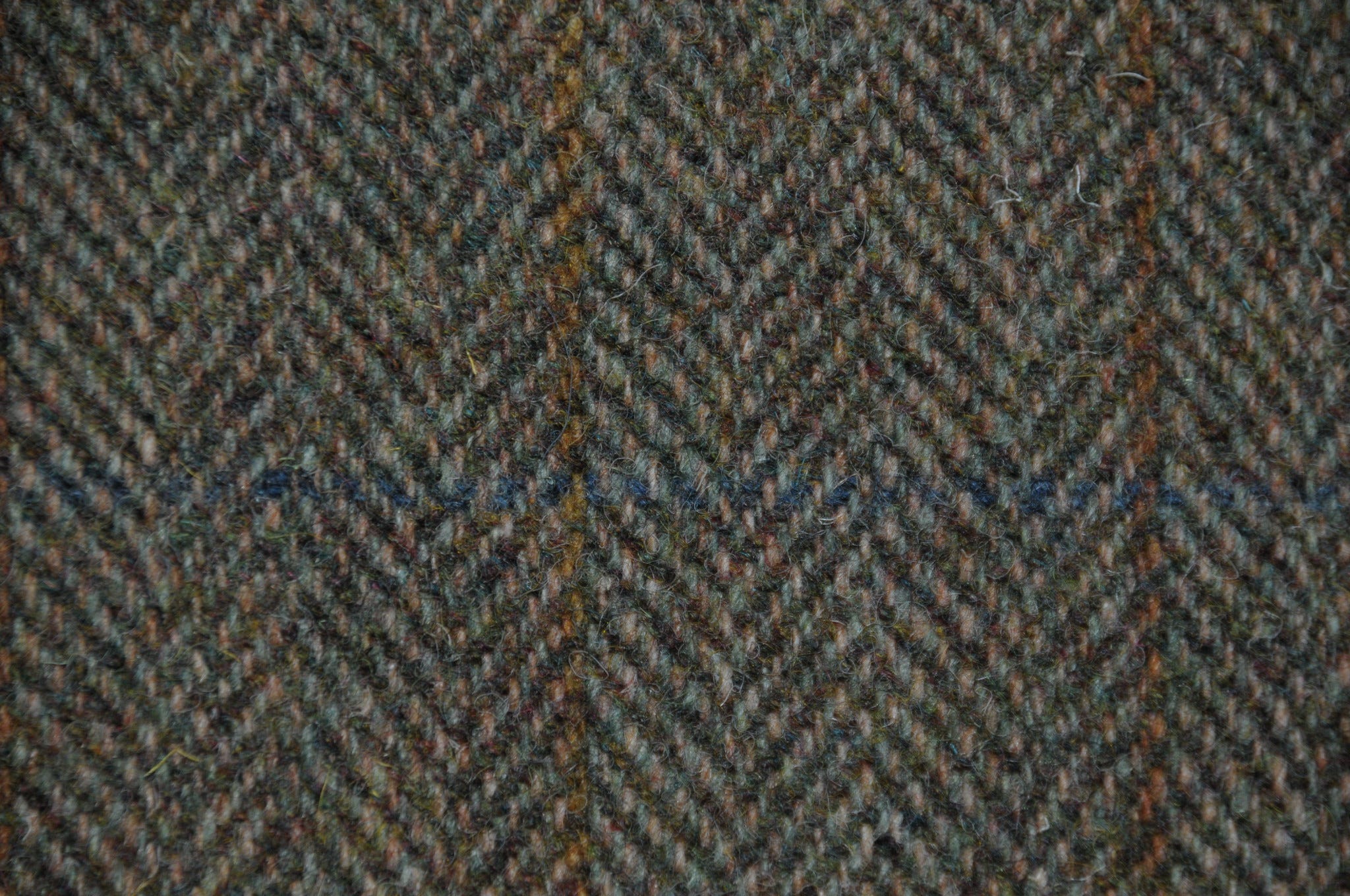
Long before it was a label, the cloth that became Harris Tweed was simply a practical domestic twill. Woven from local wool and made close to the land, it clothed families, shielded them from harsh weather and any surplus was traded.
The right side of the weave is always more unevenly textured making it ideal for resisting stains and dirt - perfect for outdoor wear and upholstery. Perhaps the most common twill today is denim. Herringbone is a typical Harris Tweed pattern, named after the structure of the fishbones and created with basic weaving arithmetic, with warp and weft crossing in repeated sequences to form the now familiar diagonal pattern.
So how did a local household cloth become a globally protected name? Let’s time travel.
Where does the Harris Tweed story begin?
Under Norse rule since the 9th century, Harris becomes part of Scotland in 1266.
Cloth was domestically-produced from the wool of the native island sheep, handmade to clothe and protect families from the elements. The wool was prepared, spun and woven on small, wooden, treadle-powered looms. It was a slow and laborious process for the weaver. The surplus cloth was traded and became a form of currency amongst islanders.
The shorn wool from the sheep is washed in the soft, peaty island water and hand-coloured using local natural dyes from plants and vegetables. These softly-hued dyes create beautifully coloured wool that can then be spun into subtle blends. The blended wool is then woven on the hand loom in the chosen twill pattern, creating a distinct local cloth.
By the end of the 18th century the cloth is trading to mainland Scotland along with other locally-produced goods such as animal hides. “Tweel” was the Scots word for twill. According to a widely told story, an order marked “tweel” was misread by a London merchant as “tweed,” and the misreading stuck.
19th century Harris Tweed: a name travels, then a market appears
By the 19th century, North Harris is owned by the 6th Earl of Dunmore, inherited from his father in 1836. When the Earl dies in 1845, his wife Lady Catherine Herbert, takes over responsibility for the estate until her son is old enough to inherit it.
In 1849 she sets up an embroidery school and takes an interest in local weavers. During difficult economic times for the islanders, she commissions high-quality cloth for dressing her estate workers. She also sees the potential for the fabric to be used to make quality sportswear for her friends and acquaintances.
Cloth from the North Harris estate grows in popularity with aristocratic sporty types, and demand follows. It soon becomes a fashionable, quality choice for hunting and sportswear among the aristocracy and the Victorian royals and so becomes referred to as Harris Tweed. Lady Catherine ensures that Harris Tweed gets the royal seal of approval needed to boost its success with the aristocracy.
Commercial production of Harris Tweed helps to develop a sustainable local industry using hand-weaving by the Earl’s tenants (the local North Harris islanders). Its success leads to the manufacture of greater quantities, while trying to maintain the high quality, handwoven image of the cloth.
Lady Catherine aims to improve general standards of production and weaving so the cloth can become a highly desirable fabric to be sold across the UK. The Harris Tweed jacket of the typical English gent is born from the fashionable popularity of this traditional fabric. Similar twill-cloth weavers from across the Outer Hebrides join the commercial production of Harris Tweed.
In 1868, the 7th Earl of Dunsmore goes bankrupt whilst building Amhuinnsuidhe Castle. The Harris estate is then taken over by bankers.
With popularity came imitation. By the end of the 19th Century, cheaper versions of the Harris Tweed are being manufactured due to its popularity. These cheaper and lower-quality versions of the wool are spun and woven on mechanised looms and borrow the Harris Tweed name and reputation.
20th century Harris Tweed timeline: trademark, modern looms and mass popularity
As tweed became more of a fixture of British outdoor wear, Harris Tweed crossed worlds: from country wardrobes to women’s tailoring, interiors, youth subcultures and designer collections. It also endured the usual pressures of industrial competition and changing fashion cycles, with periodic revivals reminding designers and wearers that texture and craft can outlast trends.
Let’s look at the timeline:
In the early 1900s, weavers moved from older wooden looms to more efficient domestic looms, and formal steps were taken to protect authenticity. The beart mhòr handloom is now in use to produce Harris tweeds from around the turn of the 20th century.
1909: The Harris Tweed Association is formed to help protect the quality of the name.
1910: The Orb Trademark is introduced. It helps keep Harris Tweed authentic and distinguishes itself from any imitations. Every item made from genuine Harris Tweed bears the label with the Orb Trademark.
1919: Lord Leverhulme buys all of Harris including the estate and castle for £20,000. A Hattersley single-width domestic loom is introduced in 1919.
Introduced after World War 1, the Hattersley helps disabled ex-servicemen earn a living through weaving. Its rate of production is superior to the wooden hand looms of the past and it is capable of weaving more complex patterns.
1934: an alteration in the trademark definition allows the use of mill-spun local yarn in addition to hand-spun. This further increases the rate of commercial production.
Tweed becomes popular work and outdoor wear for many men and is used for women’s clothing as utility fashion embraces hardwearing and durable fabrics. This fashion continues, especially for women, into the 1950s and 60s and Harris Tweed is no exception. It is used for the interiors of the QE2 ocean liner.
1966: 7.6 million yards is produced in a single year.
It is also popular in the Mod fashion of the 1960s UK and the trend for natural fabrics in the 1970s is a reaction to the dominance of cheap man-made fibres.
In the 1980s there is a decline in sales until Vivienne Westwood’s celebrated 1987 Harris Tweed collection reinvents the classic textile for a new generation. The fashion designer has long been a supporter of heritage textiles.
The 1990s introduce the Bonas-Griffiths loom to the Outer Hebrides, a modern double-width rapier handloom. This produces a wider, lighter length of cloth.
1993: An Act of Parliament legally protects the Orb certification trademark as a standard of authenticity and ensures that the cloth is made from pure new wool, dyed, spun and finished in the Outer Hebrides, handwoven on a treadle loom by islanders in their homes. The Harris Tweed Authority is set up as a statutory regulatory body to replace the original voluntary Harris Tweed Association.
Cheap, mass-manufactured fabrics later flood the market and Harris Tweed faces the familiar pressures of fashion cycles and industrial competition. But a renewed interest in craftsmanship and the legal protection helps Harris Tweed endure into the 21st century.
In Part Two we’ll meet Harris Tweed today, learn how to spot the genuine cloth and share a guide for the curious and creative traveller seeking out its continuing story in Scotland.
For now, it’s worth remembering this:
Harris Tweed is a truly sustainable industry that has supported the economy of the Outer Hebrides for generations. Choosing genuine Harris Tweed helps sustain local jobs, preserves a unique island craft, and offers a beautiful alternative to mass‑produced, machine‑made fabrics. Supporting this industry ensures that there are still employment opportunities on the isles for those who live there. It’s made to last a lifetime and carries a guarantee of quality you can trust.
Books to read below. Buy from Bookshop.org I am a Bookshop.org affiliate:
Further reading
Bookshop.org affiliate links below
The Art of Tweed: from Weaver to Wearer | Vixy Rae